

GRL Pep Talks: Real Conversations for Real Growth
Your go-to space for leadership, confidence, identity, team culture, and the everyday challenges young women and student-athletes navigate.
GRL Pep Talks is where honest conversations meet practical support. Whether you’re a student-athlete, a young woman finding your voice, or someone building confidence and belonging, these Pep Talks are designed to help you grow in ways that actually fit your life.
You’ll find stories, worksheets, research-backed tools, and quiet reminders that you’re not alone in what you’re navigating. This is your space for clarity, connection, and the kind of leadership that starts from within — on and off the field.
Choose Your Pep Talk Collection:
Find the words you need for the season you’re in.
Identity & Belonging
For the moments you’re figuring out who you are, where you fit, and how to grow into yourself — without shrinking to belong.
Mental Health & Burnout
For when life feels heavy, loud, overwhelming, or exhausting — and you need permission to be human, not perfect.
Girls in Sports & Equity
For athletes, advocates, and leaders working to build better systems, stronger pathways, and real access for girls.
Motherhood & Real-Life Leadership
For the women leading teams, families, careers, and chaos — learning that leadership is lived, not just performed.
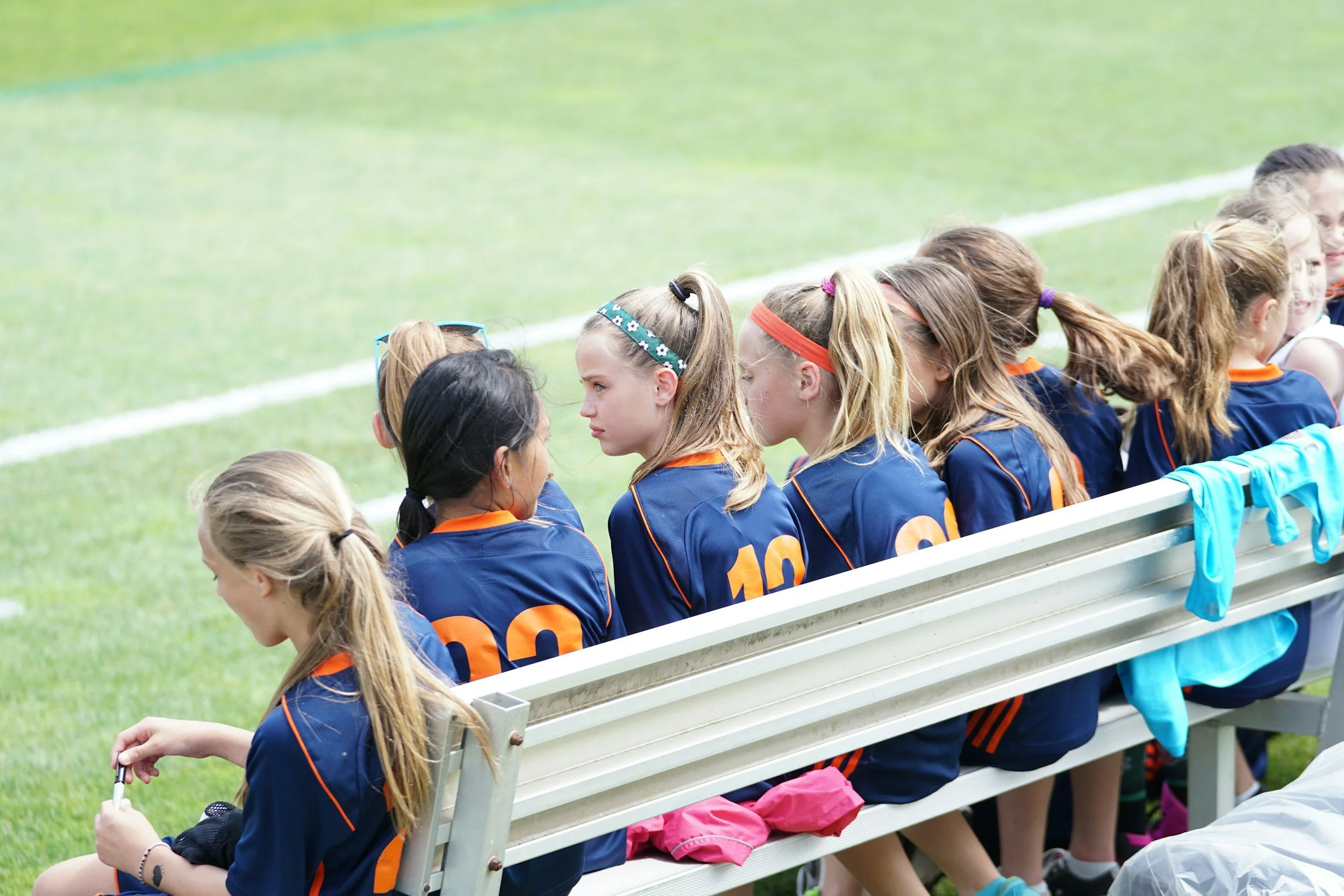
The “Take Our Ball and Go Home” Mindset in Youth Sports: How Parent Conflict, Sideline Behavior, and Adult Pressure Are Driving Coaches and Officials Away — and What Leadership Must Do Instead
Remember when we were kids and said, “I’m taking my ball and going home”? It felt powerful. It felt like justice. But it also ended the game for everyone else.
Today, that childhood protest has evolved into something far more damaging in youth sports. When adults feel frustrated, unheard, or protective of their child, the response can escalate beyond advocacy into destruction — public criticism, sideline hostility, attacks on coaches and officials, and attempts to dismantle programs altogether.
The cost is real. Nearly half of youth coaches report experiencing verbal harassment, much of it from parents. Officials are leaving in record numbers, with many quitting within their first two years due to abusive environments. And kids are walking away from sports earlier than ever because the joy has disappeared.
If we want youth sports to survive as healthy third spaces for belonging, growth, and leadership, we must change how we show up — especially as parents, coaches, and school leaders.
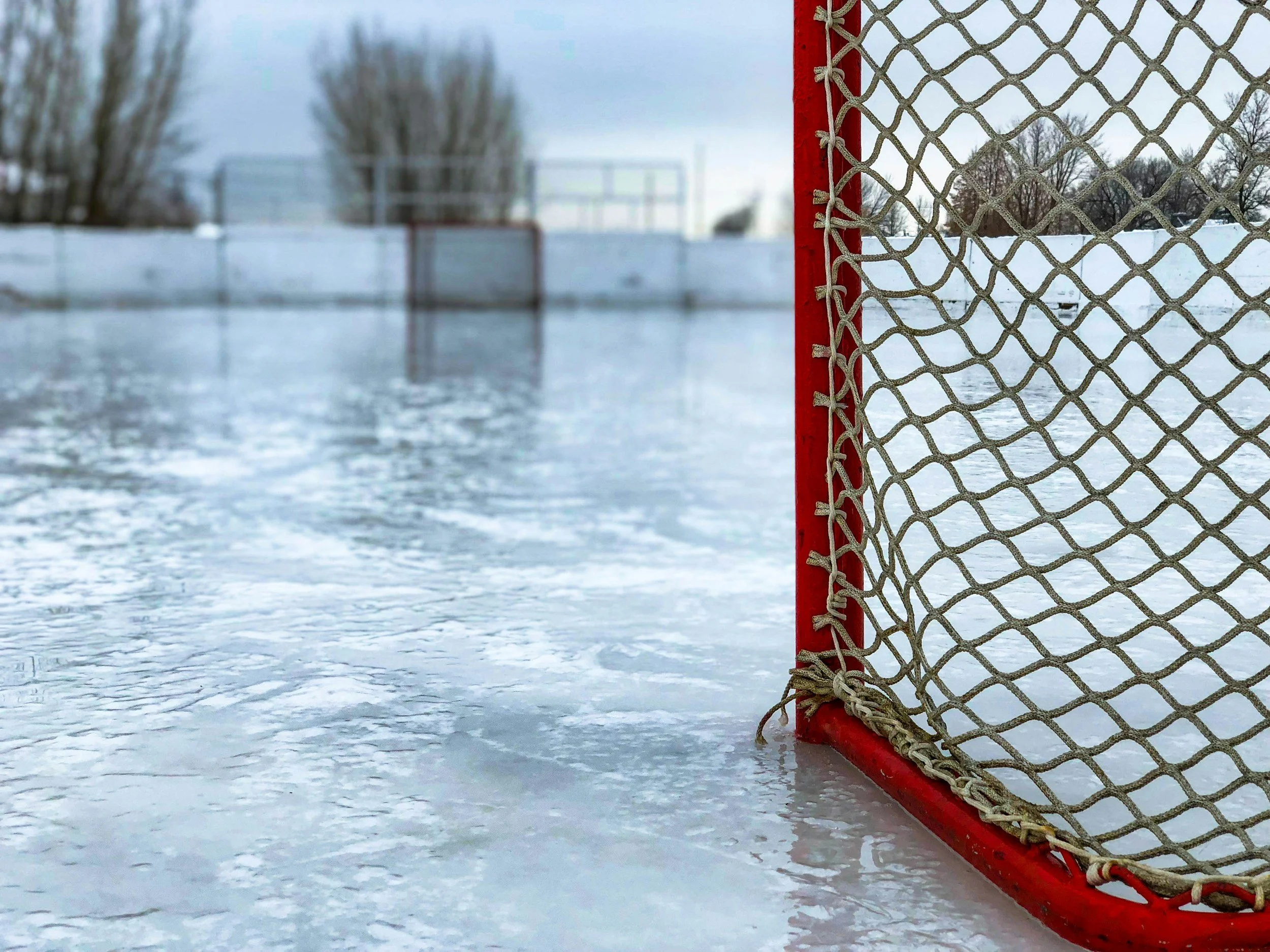
When Private Equity Buys the Ice: What It Means for Rinks, Families, and Girls Staying in the Game
As private equity firms increasingly purchase ice rinks across the country, families and youth sports leaders are beginning to ask hard questions about cost, access, and community control. While ice rinks are undeniably expensive to operate and maintain, private equity ownership often introduces new layers of fees, restricted filming and streaming rules, bundled services, and profit-driven scheduling priorities that reshape how rinks function. These changes can limit community access, increase financial pressure on families, and accelerate the already rising cost of youth hockey and skating. For girls—who face higher dropout rates in sport—these barriers can be especially impactful. This post explores why private equity is targeting ice rinks, the patterns emerging from recent acquisitions, and the long-term risks to affordability, equity, and participation. Because when rinks shift from community assets to profit centers, the consequences extend far beyond the ice.

How to Help Choose a Youth Program Based on Your Daughter’s Personality Type
Your daughter doesn’t need to fit into a sport — the sport should fit her. Here’s how to choose a youth program based on personality, pressure, preferences, and joy.

The GRL Initiative: Youth Sports Culture Audit: Is Your Program Built for Kids or Competition?
This checklist is designed to help coaches, parents, leagues, and youth programs evaluate whether their environment is truly built for kids — not just competition. Use it to reflect honestly on your team culture, coaching practices, parent behavior, and overall developmental approach. Check every item that applies to your program. The goal isn’t perfection — it’s awareness. Once you know where your strengths and gaps are, you can make thoughtful changes that help every child feel safe, included, and excited to keep showing up.