

Motherhood & Real-Life Leadership
For the women leading teams, families, careers, and chaos — learning that leadership is lived, not just performed.
Featured


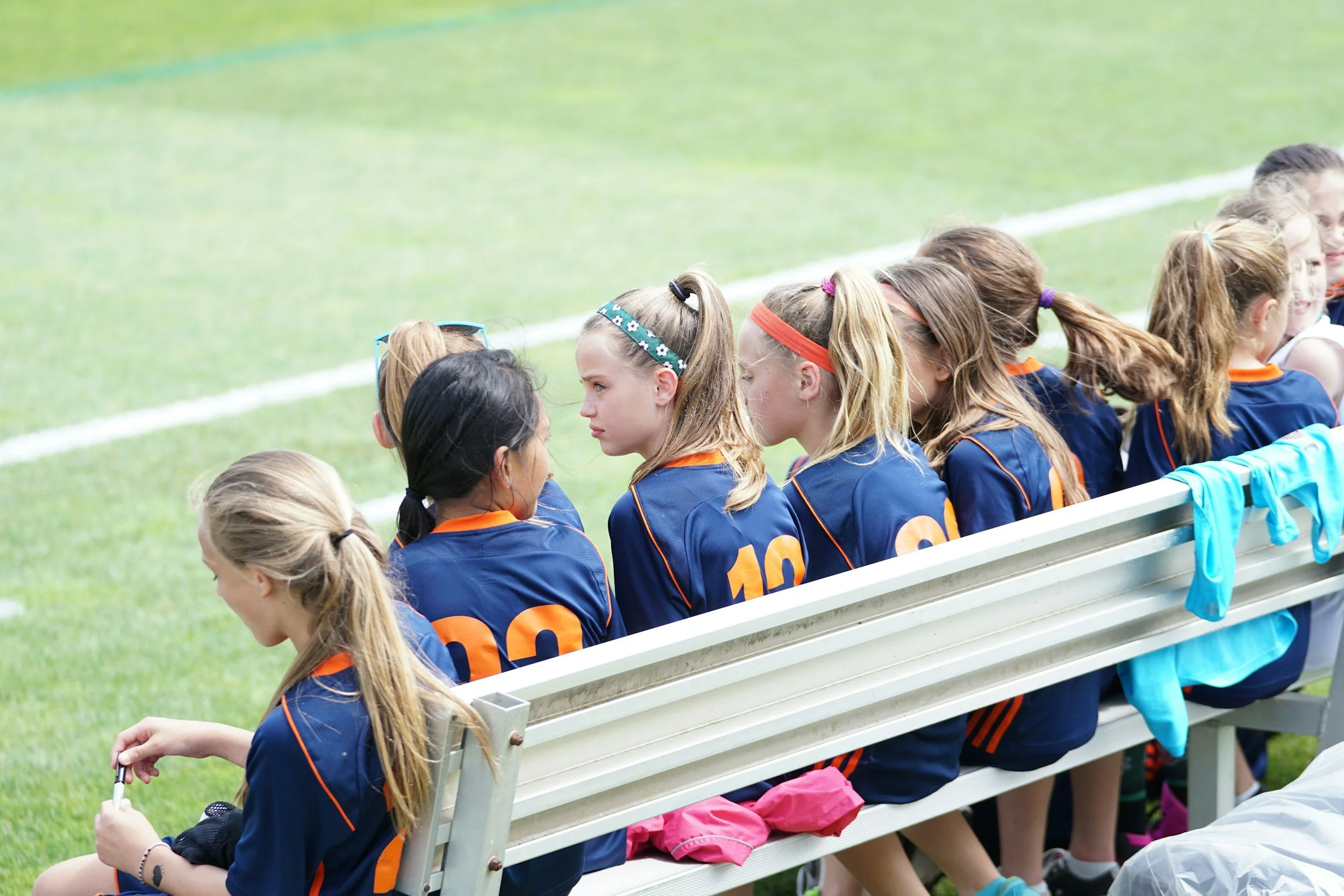















In sports you can be the team celebrating the buzzer-beater—or the team walking off the court heartbroken. This reflection explores what athletics reveal about resilience, character, and leadership.
Some seasons of leadership feel heavier than others. When scrutiny rises and emotions run high, leaders often find themselves masking their authentic voice just to navigate the moment. This reflection explores the emotional weight of leading under pressure — and how to stay grounded in who you are when leadership feels most lonely.
Remember when we were kids and said, “I’m taking my ball and going home”? It felt powerful. It felt like justice. But it also ended the game for everyone else.
Today, that childhood protest has evolved into something far more damaging in youth sports. When adults feel frustrated, unheard, or protective of their child, the response can escalate beyond advocacy into destruction — public criticism, sideline hostility, attacks on coaches and officials, and attempts to dismantle programs altogether.
The cost is real. Nearly half of youth coaches report experiencing verbal harassment, much of it from parents. Officials are leaving in record numbers, with many quitting within their first two years due to abusive environments. And kids are walking away from sports earlier than ever because the joy has disappeared.
If we want youth sports to survive as healthy third spaces for belonging, growth, and leadership, we must change how we show up — especially as parents, coaches, and school leaders.
I didn’t realize there was a name for what we were living inside. Supporting a neurodivergent freshman through ADHD, trauma, and adolescence had slowly shifted our home into a state of chronic stress — the kind that reshapes your nervous system, your relationships, and your sense of self as a caregiver. This isn’t just parenting exhaustion; it’s the quiet, relentless weight many families carry while still showing up with love, resilience, and hope.
When the noise gets loud and leadership feels heavy, sometimes we don’t need new motivation — we need borrowed courage. From The Man in the Arena to I Have a Dream, this Strength Library gathers the most powerful speeches in history to help you stay grounded, lead with courage, and step back into the arena when it matters most.
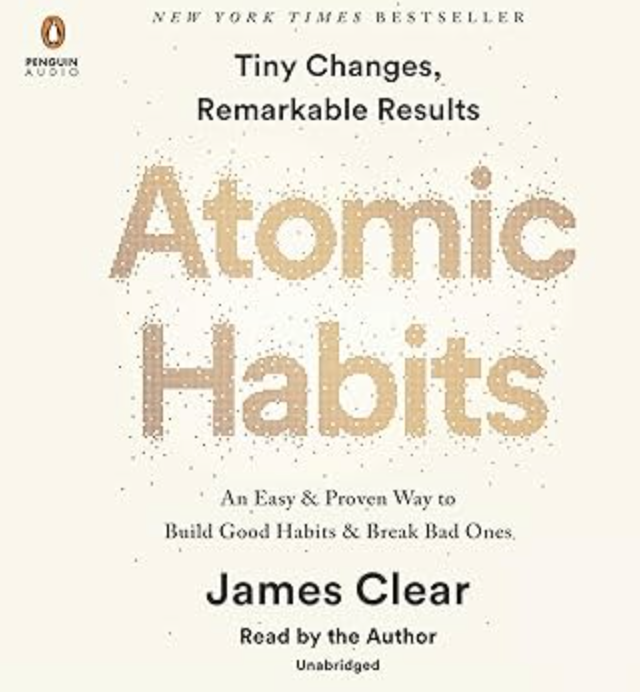
What high school athletes and busy moms can learn from Atomic Habits and the POW survival mindset: focus on small, daily wins—not distant milestones—to build resilience, confidence, and lasting change.
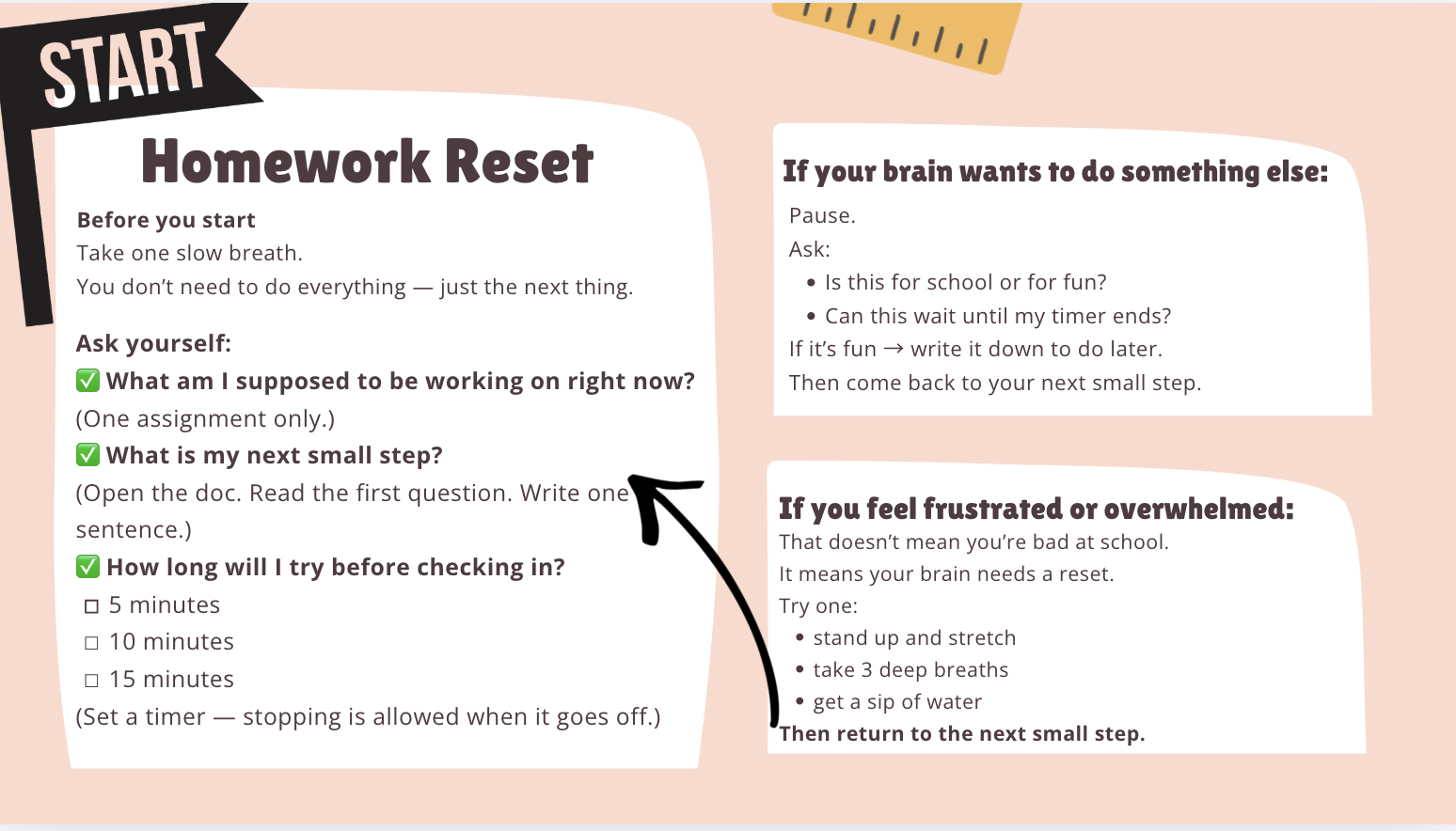
We swore we’d never make another chart — especially not for a fourteen-year-old. But when parenting started to feel like Groundhog Day, we realized our child didn’t need more consequences. He needed structure designed for an ADHD brain. This is how we built a system that transferred ownership, reduced daily conflict, and helped our family reset without shame.
Parenting a neurodivergent teen can feel like starting over every single day — sometimes every hour. When impulsive decisions pile up and your child seems unaware of how their behavior affects others, the mental load on caregivers becomes overwhelming. This GRL Initiative pep talk offers a compassionate, research-informed reminder that spirals aren’t failures — they’re moments that require support, structure, and grace for both the child and the adult walking beside them.
Some days it feels impossible to be both the parent holding everything together at home and the leader expected to show up confidently at work. When parenting feels heavy, self-doubt can spill into every part of life — even the places that once brought joy. This honest reflection explores what happens when our inner critic takes over, and how small shifts in self-talk, grace, and persistence help us keep moving forward — even when we’re exhausted.
Watching Little Giants with my son reminded me of something sports movies have always gotten right: belonging comes before success. From The Sandlot to Remember the Titans, these stories resonate because most of us have felt like outsiders at some point — and finding a place where we belong changes everything.
When you’re struggling, it’s rarely just one thing. Hormone shifts from perimenopause, parenting a teenager, and a world that feels heavy can collide all at once—leaving even the most capable people depleted. This honest, grounded post explores what to do when you’re doing “all the right things” and still feel overwhelmed, offering practical ways to regulate your nervous system, lower the pressure, and remember you’re not broken—you’re human.
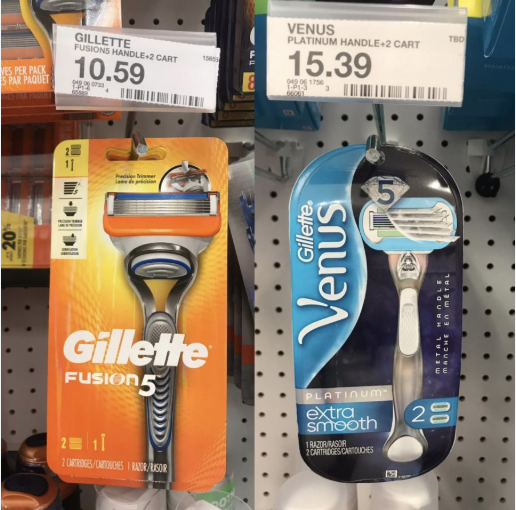
The pink tax is real — and it teaches girls early lessons about worth, fairness, and belonging. Here’s how it shows up in sports, school, and leadership.
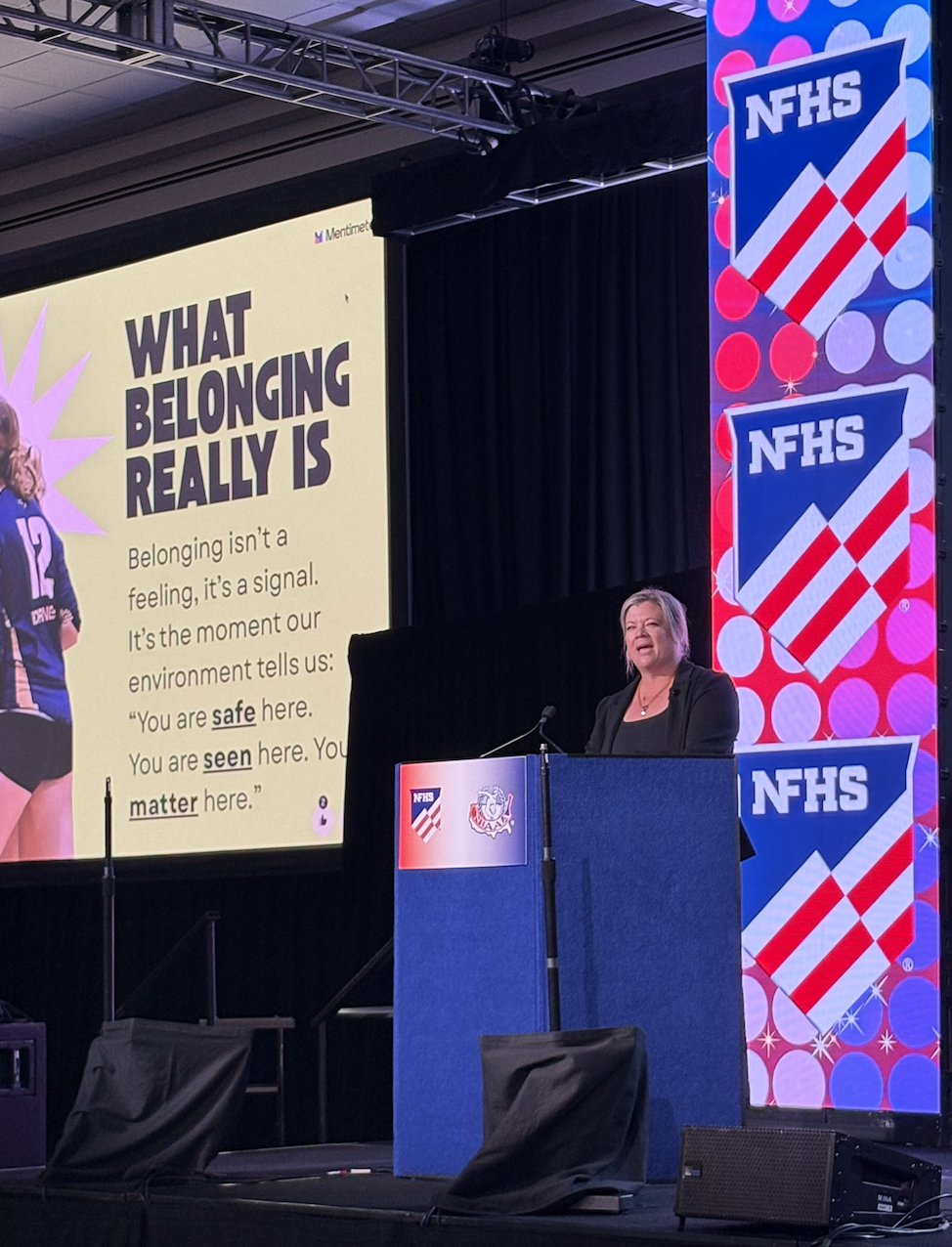
What happens when athletic administrators are asked about belonging, burnout, and safety instead of strategy? Insights from the National Athletic Directors Conference reveal what leaders are really carrying.
Every mom has a kid wearing something wild under the perfect outfit. Mine? Two pairs of underwear. This is the messy, funny, unseen side of motherhood we need to talk about more — from hidden struggles to the pressure to look like we have it together.
December isn’t a break for working moms—it’s a logistical marathon built on emotional labor, travel schedules, school events, and making holiday magic. Here’s your permission to slow down, recalibrate, and keep your sh*t together in the most honest way possible.
Five years after living through the pandemic together, many couples are realizing that connection hasn’t gotten easier—life has only gotten louder. In this reflective, honest look at partnership, I explore what it actually takes to stay connected when you’re tired, stretched thin, and operating at different speeds. From tiny daily rituals to shared moments, nervous-system-friendly activities, and naming what we miss, this is the real roadmap to choosing each other—long after survival mode ends.
Choosing a sport with your daughter shouldn’t be stressful. This GRL Initiative guide helps families explore interests, match personality types, and find activities that build confidence and joy.
Nerves don’t mean you’re not ready. Learn the GRL 5-minute hype warm-up — a simple routine to steady your mind, harness adrenaline, and show up with confidence.
Your daughter doesn’t need to fit into a sport — the sport should fit her. Here’s how to choose a youth program based on personality, pressure, preferences, and joy.
We all have cycles of being dialed-in and cycles of total “blah.” Your hype isn’t broken — it’s psychology. Here’s why we freeze, why we fizzle, and how to shine on purpose.
Parents have choices when it comes to youth sports, but how do you know if a program is truly right for your child? This guide offers a clear, research-informed checklist to assess belonging, coaching, playing time, communication, and overall culture—so you can choose a space where your child feels safe, supported, and excited to grow.
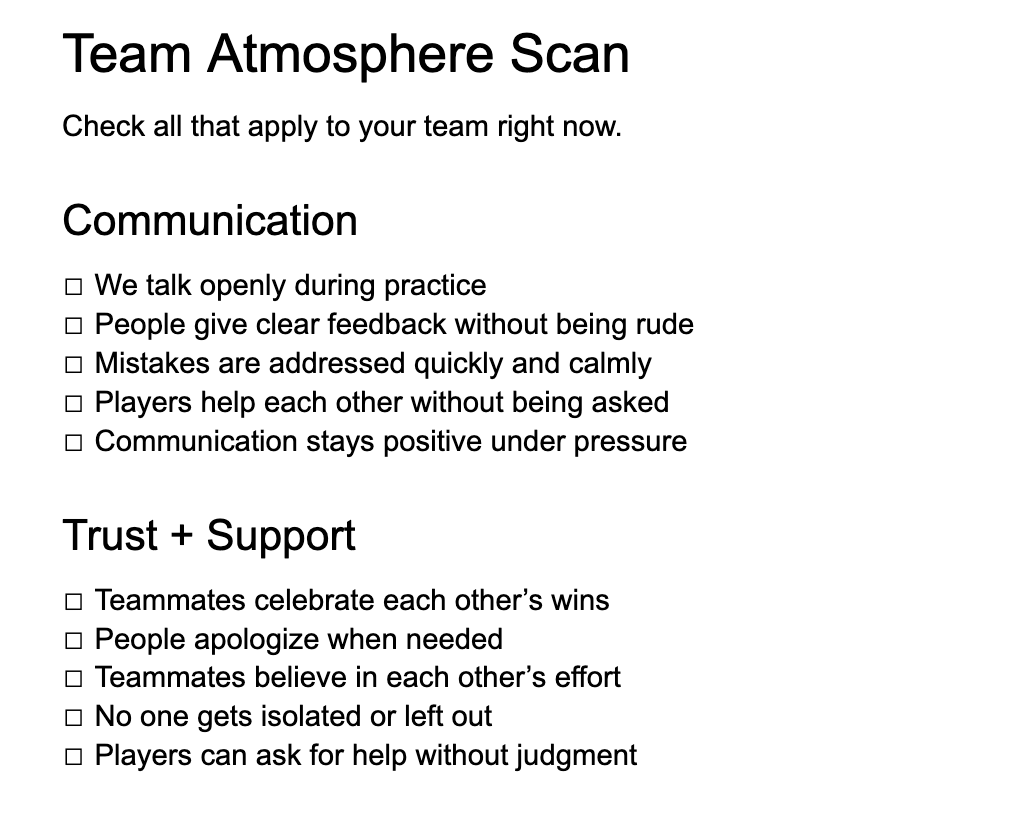
Strong teams aren’t built during conflict—they’re built during the calm moments. This post helps student-athletes understand what makes a high-functioning team work, what strengths to notice, and how to protect positive team culture before drama shows up.
Strong teams aren’t built during conflict—they’re built during the calm moments. This post helps student-athletes understand what to notice, what to protect, and how to lead when their team is functioning well, so they’re better prepared for the hard moments later.
Team drama can make practices tense, games stressful, and the whole season feel heavier than it should. This post breaks down what drama does to a team, why it feels so overwhelming, and how you can navigate it with confidence, clarity, and leadership—without getting pulled into the chaos.
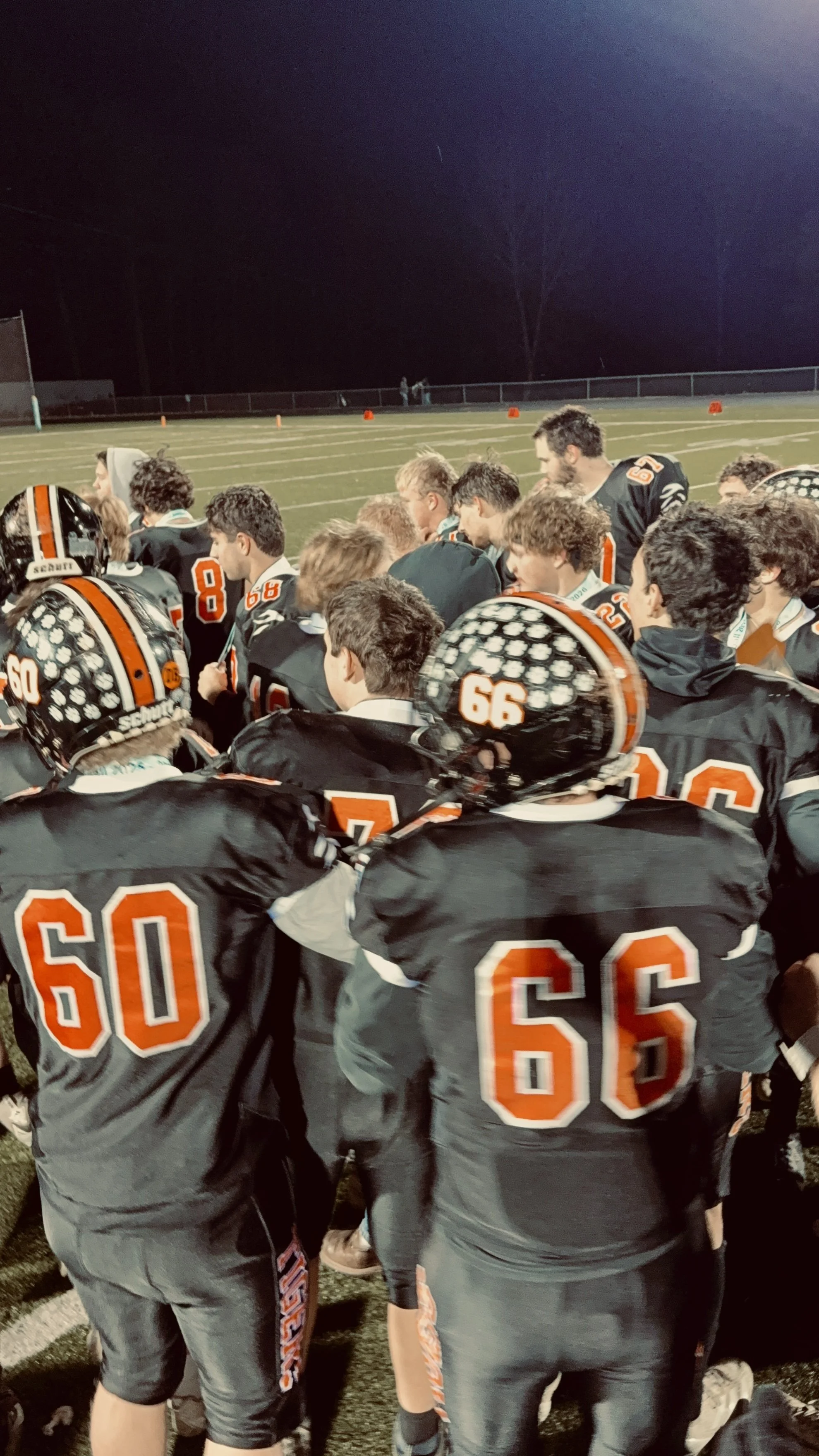
A student-athlete stopped me during the football championship medal line to say my talk inspired him — and it reminded me of something big: moments like that only happen because you start. You start before you feel ready, before anyone is watching, before you stop caring what people think. This blog is about the courage to begin, the consistency to keep going, and why small moments of impact make every bit of the work worth it.
Agency isn’t control—it’s choice. When life feels out of your hands, reclaiming agency starts with remembering your power to act on your own behalf. In this Pep Talk, we unpack what agency really is, why it matters, and how to rebuild it when you’ve lost your sense of self.
The world feels louder than ever—news, politics, injustice, exhaustion. But feeling powerless isn’t the same as being powerless. This week’s Pep Talk explores how to reclaim your sense of agency when everything around you feels out of control. Because you still have a say in what gets your energy—and what doesn’t.
Reconnection doesn’t happen all at once — it happens in small, quiet moments layered over time. From eye contact to curiosity, repair to ritual, these simple daily practices rebuild the trust and belonging that disconnection slowly erodes. This is how we start bringing the flavor back
This birthday feels different. At 42, I’ve spent a year doing the hard internal work — exploring my identity, redefining connections, setting boundaries, and beginning the long journey toward true belonging. I’m not there yet, but I’m growing, stretching, and becoming in ways I’m finally proud of.