

GRL Pep Talks: Real Conversations for Real Growth
Your go-to space for leadership, confidence, identity, team culture, and the everyday challenges young women and student-athletes navigate.
Not sure where to start? Here's how it works.
GRL Pep Talks are honest, research-backed pieces written by Dr. Lauren Young — educator, athletic leader, and founder of The GRL Initiative. Each one is designed to meet you where you are, whether that's figuring out who you are, leading under pressure, parenting a kid who's hard to figure out, or just trying to stop shrinking in rooms that weren't built for you.
Inside each Pep Talk you'll find personal essays, journal prompts and worksheets, deep dives into equity and belonging, and quizzes to help you reflect on who you're becoming.
Find your entry point: Browse the four collections below and pick the one that matches your season. Or scroll the full feed and let a title stop you — they're written to be honest about what's inside. Once you're in a post, click any category tag to find more pieces on that topic.
Choose Your Pep Talk Collection:
Find the words you need for the season you’re in.
Identity & Belonging
For the moments you’re figuring out who you are, where you fit, and how to grow into yourself — without shrinking to belong.
Mental Health & Burnout
For when life feels heavy, loud, overwhelming, or exhausting — and you need permission to be human, not perfect.
Girls in Sports & Equity
For athletes, advocates, and leaders working to build better systems, stronger pathways, and real access for girls.
Motherhood & Real-Life Leadership
For the women leading teams, families, careers, and chaos — learning that leadership is lived, not just performed.
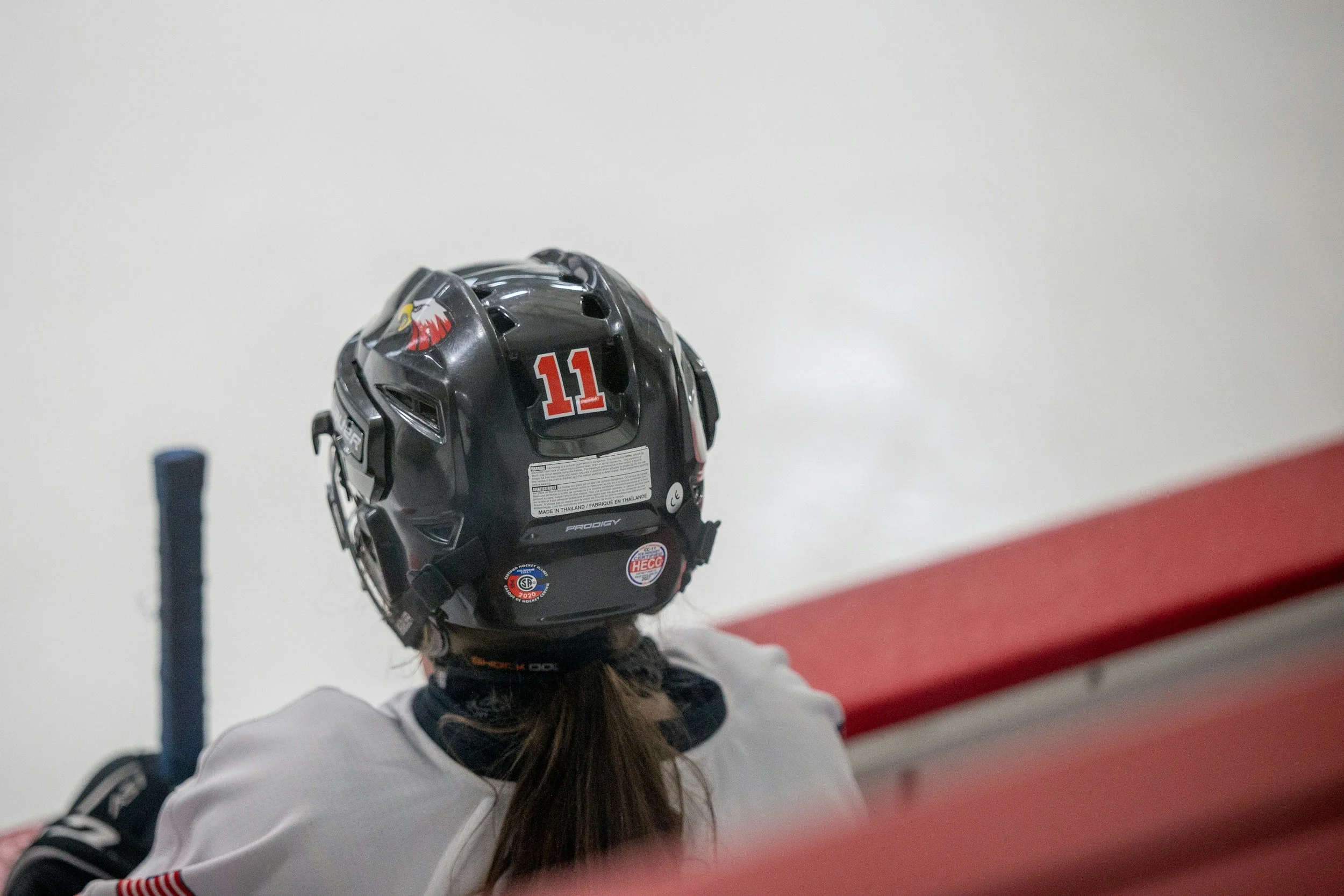
How to Lead Change When You're Emotionally Depleted
Three cries in one day, and one decision that won't let me put it down. A letter to anyone who can see the underdog — the kid, the athlete, the colleague the system wasn't built for — and is wondering whether seeing it still matters. Spoiler: it does.

Why Girls Are Quitting Sports (And What Periods Have to Do With It)
Why are 1 in 3 girls quitting sports by age 17? Dr. Lauren Young of The GRL Initiative breaks down the under-discussed connection between menstrual health, sport culture, and female athlete dropout rates — plus what coaches, parents, and athletic directors can do right now to keep girls in the game.

We Are Not Going Back: A Pep Talk for Women Who Are Done Playing Small
You're not being dramatic. You're paying attention. A real-talk pep talk for women navigating a world that wants them silent, small, and submissive.
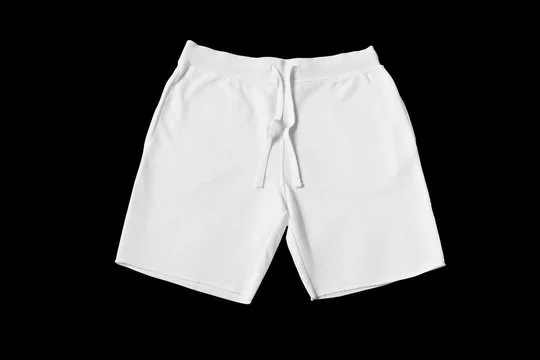
The Real Reason We're Getting Rid of White Shorts
Vermont is eliminating white shorts for female student-athletes — and it's about way more than uniforms. Here's the real reason, the research, and what's next.
How to Hype Yourself Up (Without Sounding Like a LinkedIn Influencer)
The honest, un-cheesy guide to hyping yourself up before a hard meeting, a big game, or a day that's trying to shrink you. Written for women who are done playing small.

GRL Initiative Quiz: What Kind of Leader Are You Becoming?
Identity isn’t something you discover in one moment — it’s something you build through reflection, curiosity, and courage. This quick quiz will help you explore your strengths and better understand the kind of leader you are becoming.
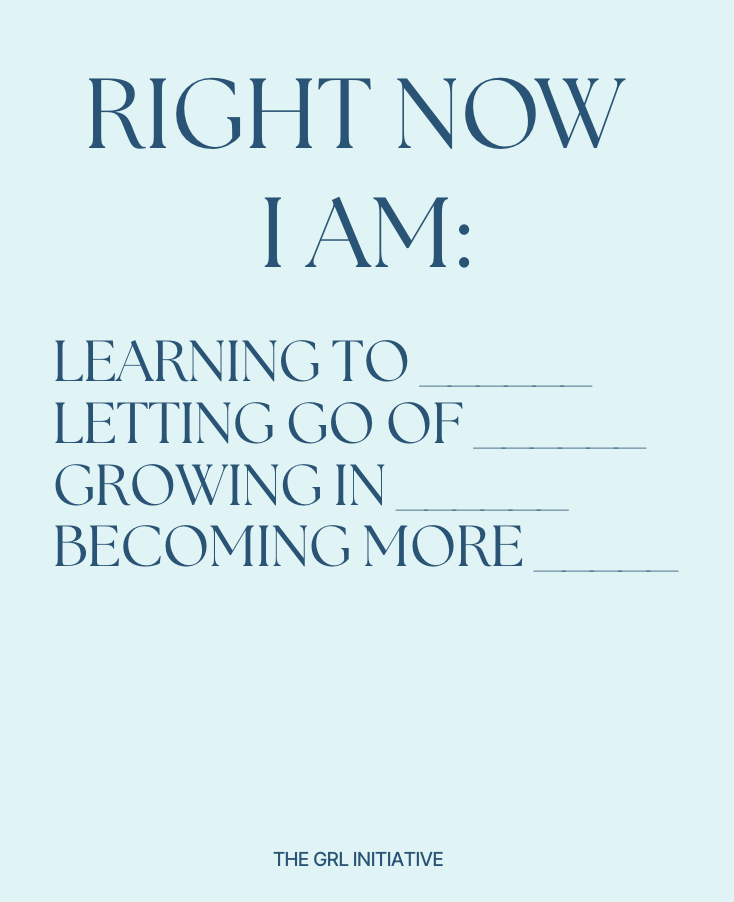
How to Find Yourself: 50 Journal Prompts to Understand Who You Are and Who You’re Becoming
Identity isn’t something you suddenly discover one day. It’s something you build slowly through reflection, experience, and curiosity. These 50 journal prompts will help you better understand who you are—and who you’re becoming.

The Buzzer Goes Both Ways: What Sports Teach Us About Winning, Losing, and Leadership
In sports you can be the team celebrating the buzzer-beater—or the team walking off the court heartbroken. This reflection explores what athletics reveal about resilience, character, and leadership.

Why You Can Feel Lonely in a Room Full of People: Understanding Belonging vs Fitting In
You can sit at the most beautiful table in the world and still feel alone if you don’t belong there. But sometimes the most ordinary meals become unforgettable when you’re surrounded by people who make you feel like yourself. This reflection explores the difference between fitting in and belonging—and why finding your people matters more than the setting.

The Hard 20% of Leadership: When Scrutiny Makes You Forget Who You Are
Some seasons of leadership feel heavier than others. When scrutiny rises and emotions run high, leaders often find themselves masking their authentic voice just to navigate the moment. This reflection explores the emotional weight of leading under pressure — and how to stay grounded in who you are when leadership feels most lonely.
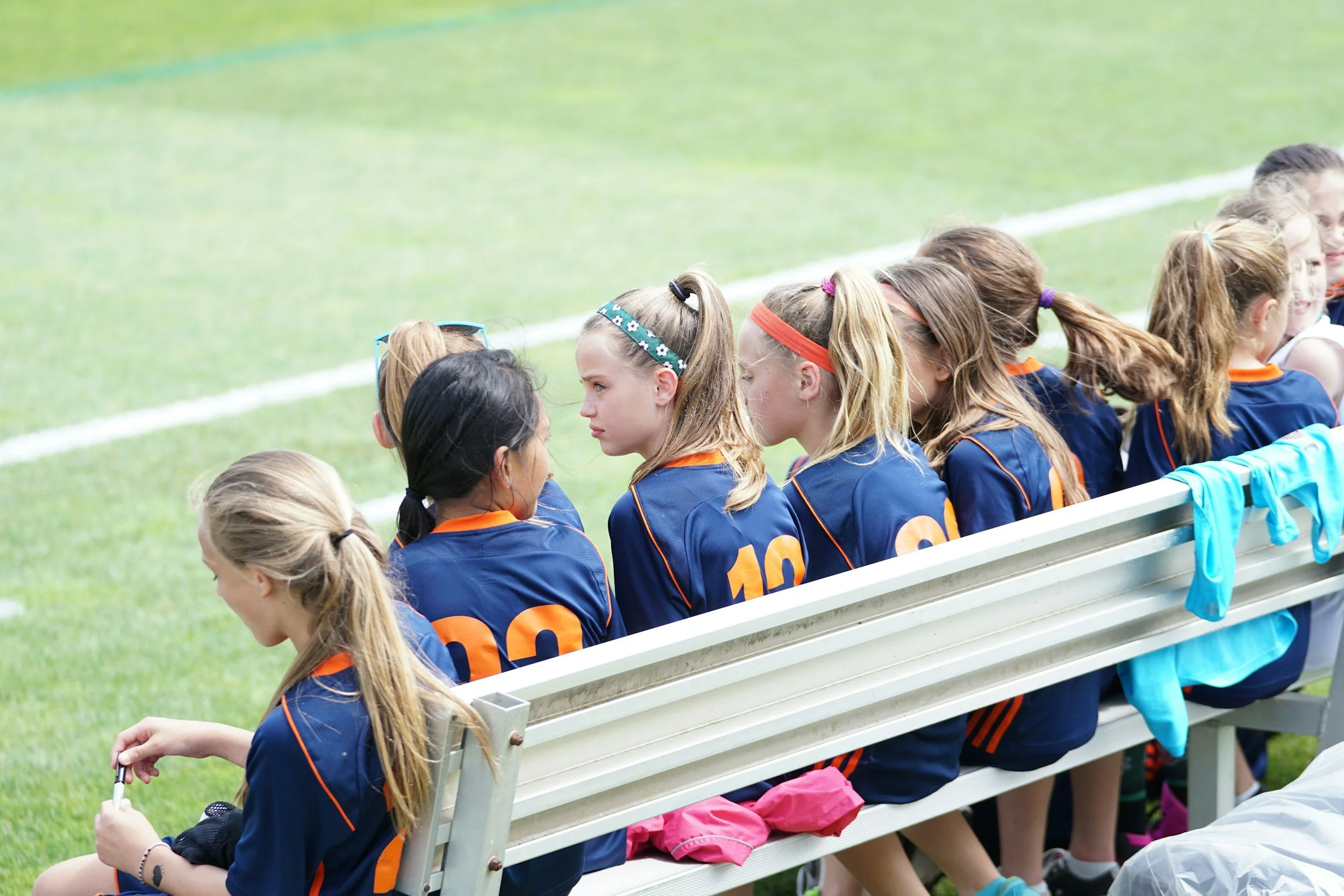
The “Take Our Ball and Go Home” Mindset in Youth Sports: How Parent Conflict, Sideline Behavior, and Adult Pressure Are Driving Coaches and Officials Away — and What Leadership Must Do Instead
Remember when we were kids and said, “I’m taking my ball and going home”? It felt powerful. It felt like justice. But it also ended the game for everyone else.
Today, that childhood protest has evolved into something far more damaging in youth sports. When adults feel frustrated, unheard, or protective of their child, the response can escalate beyond advocacy into destruction — public criticism, sideline hostility, attacks on coaches and officials, and attempts to dismantle programs altogether.
The cost is real. Nearly half of youth coaches report experiencing verbal harassment, much of it from parents. Officials are leaving in record numbers, with many quitting within their first two years due to abusive environments. And kids are walking away from sports earlier than ever because the joy has disappeared.
If we want youth sports to survive as healthy third spaces for belonging, growth, and leadership, we must change how we show up — especially as parents, coaches, and school leaders.

When Parenting Becomes Chronic Stress (And You Didn’t Even Know the Name for It)
I didn’t realize there was a name for what we were living inside. Supporting a neurodivergent freshman through ADHD, trauma, and adolescence had slowly shifted our home into a state of chronic stress — the kind that reshapes your nervous system, your relationships, and your sense of self as a caregiver. This isn’t just parenting exhaustion; it’s the quiet, relentless weight many families carry while still showing up with love, resilience, and hope.
Borrowed Courage — Words to Hold Onto When the Noise Gets Loud
When the noise gets loud and leadership feels heavy, sometimes we don’t need new motivation — we need borrowed courage. From The Man in the Arena to I Have a Dream, this Strength Library gathers the most powerful speeches in history to help you stay grounded, lead with courage, and step back into the arena when it matters most.
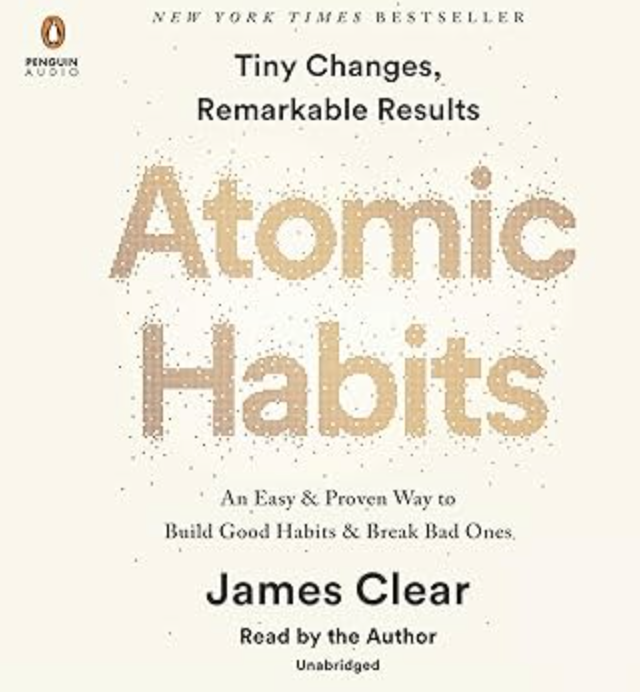
The Small Goalposts That Change Everything
What high school athletes and busy moms can learn from Atomic Habits and the POW survival mindset: focus on small, daily wins—not distant milestones—to build resilience, confidence, and lasting change.
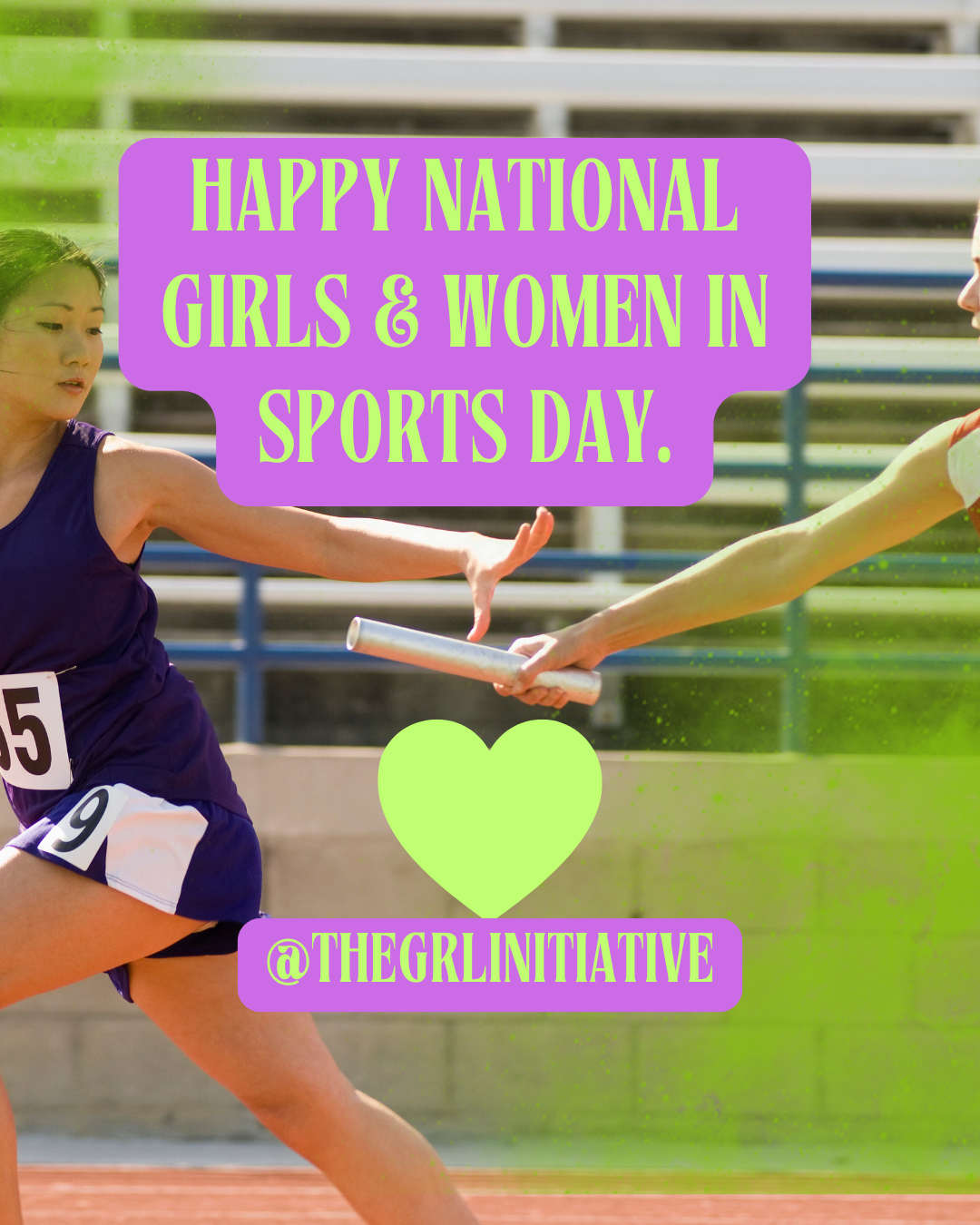
National Women and Girls in Sports Day
Women make up nearly half of all athletes, yet remain significantly underrepresented in athletic leadership roles. National Girls & Women in Sports Day highlights the ongoing need for gender equity, inclusive leadership, and safe, affirming spaces for women and LGBTQ+ athletes—because the future of sports depends on who is invited to lead and who feels they belong.

When You Never Know If You Belong: Roster Fluidity, Insecurity, and the Quiet Damage We Don’t Talk About
When rosters shift without explanation, athletes don’t learn resilience—they learn insecurity. Watching a recent high school game brought me back to my own experience moving from certainty to silence, from belonging to guessing. This piece explores how unclear roster decisions quietly fracture team culture—and how coaches can create security without lowering standards.

When Private Equity Buys the Ice: What It Means for Rinks, Families, and Girls Staying in the Game
As private equity firms increasingly purchase ice rinks across the country, families and youth sports leaders are beginning to ask hard questions about cost, access, and community control. While ice rinks are undeniably expensive to operate and maintain, private equity ownership often introduces new layers of fees, restricted filming and streaming rules, bundled services, and profit-driven scheduling priorities that reshape how rinks function. These changes can limit community access, increase financial pressure on families, and accelerate the already rising cost of youth hockey and skating. For girls—who face higher dropout rates in sport—these barriers can be especially impactful. This post explores why private equity is targeting ice rinks, the patterns emerging from recent acquisitions, and the long-term risks to affordability, equity, and participation. Because when rinks shift from community assets to profit centers, the consequences extend far beyond the ice.

When You Swear You’ll Never Make a “Potty Chart” Again — and Then You Do Anyway
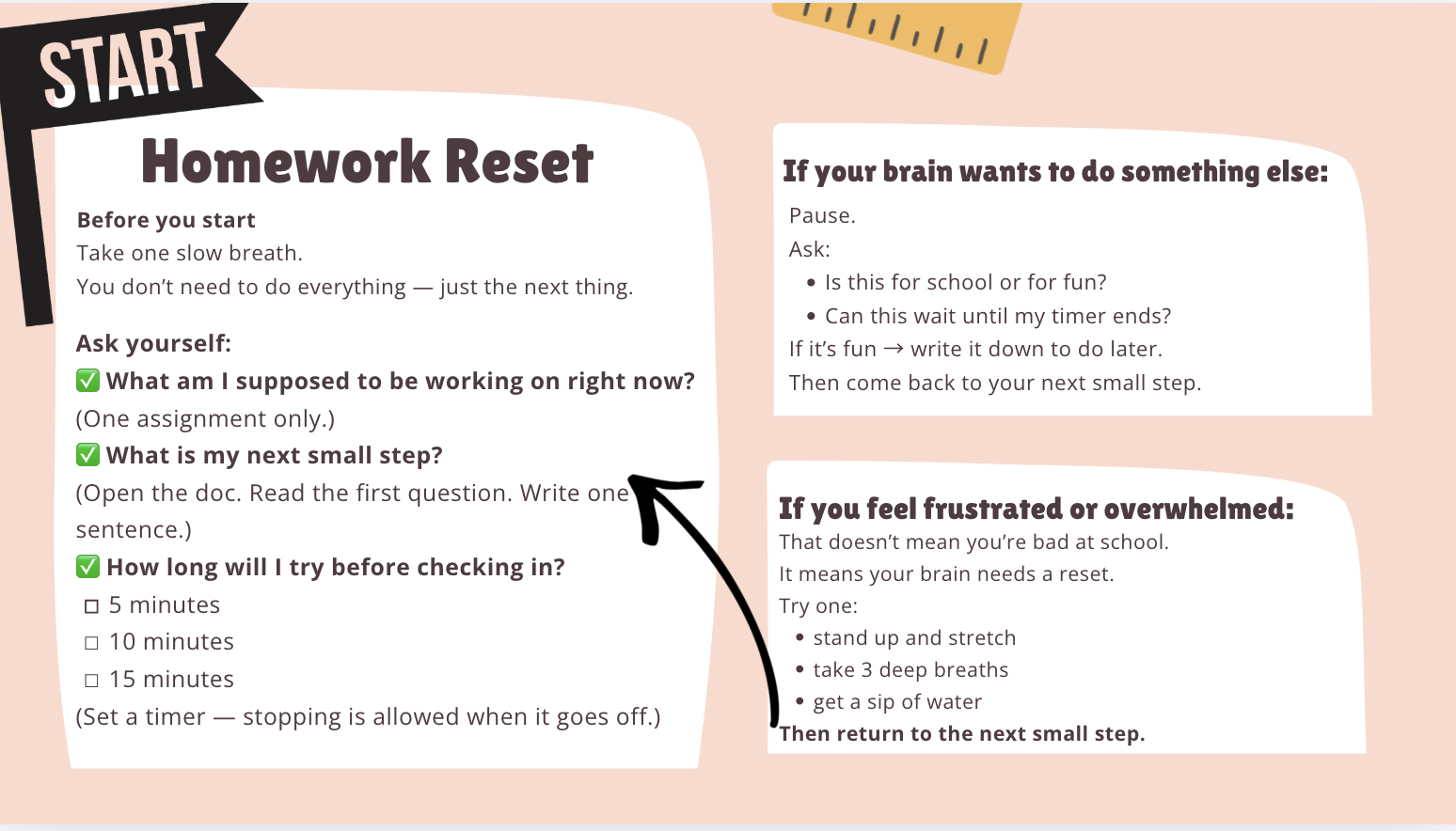
We swore we’d never make another chart — especially not for a fourteen-year-old. But when parenting started to feel like Groundhog Day, we realized our child didn’t need more consequences. He needed structure designed for an ADHD brain. This is how we built a system that transferred ownership, reduced daily conflict, and helped our family reset without shame.
The Parenting No One Talks About: Helping a Neurodivergent Teen Through a Spiral
Parenting a neurodivergent teen can feel like starting over every single day — sometimes every hour. When impulsive decisions pile up and your child seems unaware of how their behavior affects others, the mental load on caregivers becomes overwhelming. This GRL Initiative pep talk offers a compassionate, research-informed reminder that spirals aren’t failures — they’re moments that require support, structure, and grace for both the child and the adult walking beside them.
Parenting the Child You Can’t Figure Out (Even When You’re Supposed to Know Better)
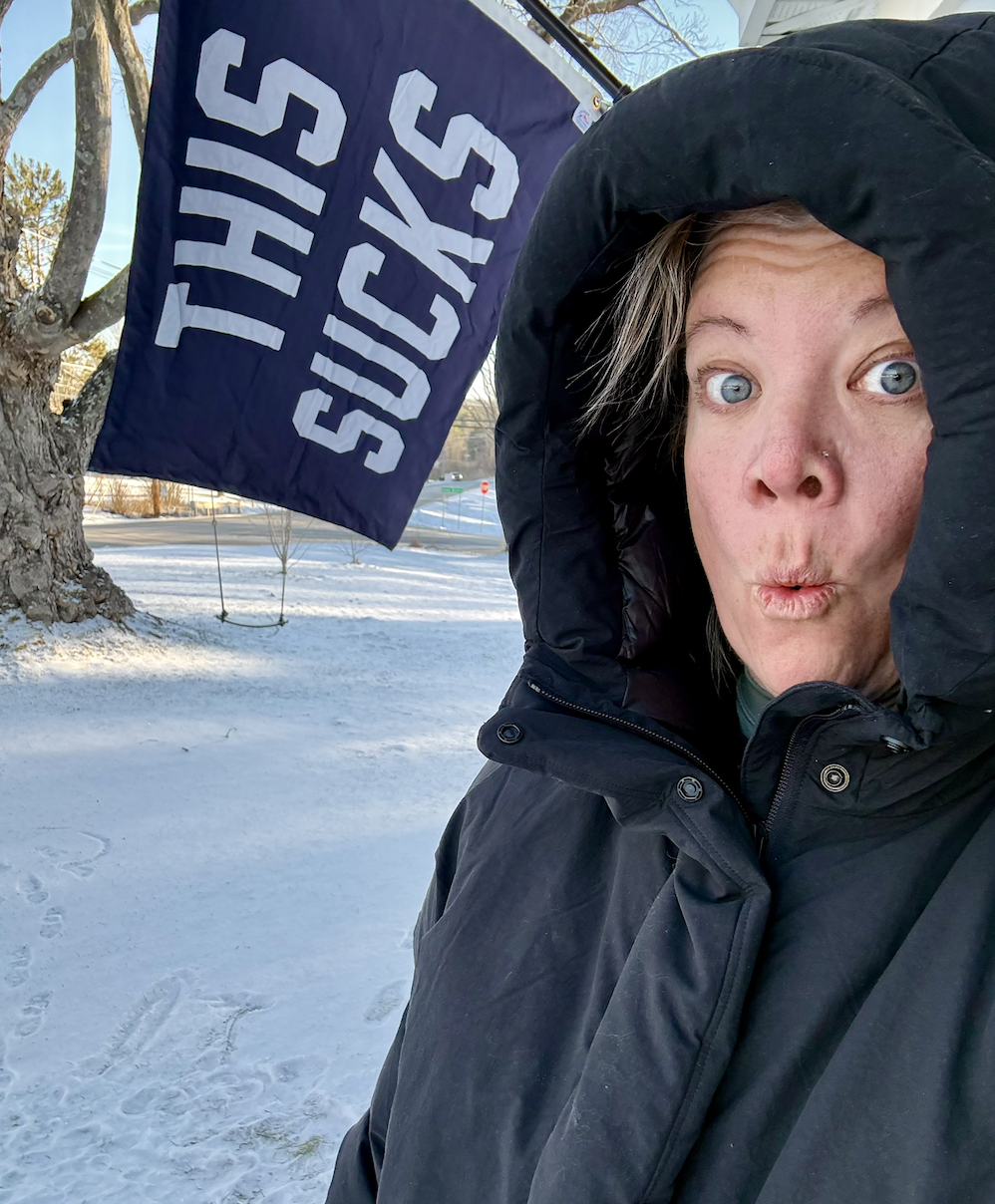
Some days it feels impossible to be both the parent holding everything together at home and the leader expected to show up confidently at work. When parenting feels heavy, self-doubt can spill into every part of life — even the places that once brought joy. This honest reflection explores what happens when our inner critic takes over, and how small shifts in self-talk, grace, and persistence help us keep moving forward — even when we’re exhausted.