

What Sport Should You Play?
Why Girls Should Play Sports + How to Find the Right One

Sports as a Living Classroom for Identity
What Sport Should I Play? Take the Personality Quiz
Not sure where you fit in sports?
You’re not alone—and it’s not because you’re “not athletic.”
Take this 2-minute quiz to find a sport that actually fits you.
When I talk to girls and families about choosing a sport, I never start with the sport at all. I start with identity. Activities are one of the few places where a young person can figure out who they are in real time. Sports give girls the rare opportunity to see themselves move through challenge, handle adversity, navigate conflict, and understand how they prefer to receive feedback or coaching. Sports are a living classroom for identity formation, not a résumé line or a future scholarship pathway.
This is especially important because girls often grow up hearing who they are long before they have a chance to decide it for themselves. I know this from experience. I was a big girl growing up. Tall. Thick. Strong. And because I took up physical space, everyone around me felt entitled to assign meaning to it. Adults and peers projected their interpretations onto my body, often with language that carried judgment or expectation. But sports became the antidote. In sports, the version of me that others wanted to shrink became an advantage. I could be aggressive, loud, communicative, physical, and strong. All the things I toned down during the school day were not only allowed on the court—they were celebrated. Sports were the place where all the parts of me that felt “too much” finally felt exactly right.
That is what I want for girls. Not the pressure of perfection or the weight of someone else’s expectations. I want girls to try on different versions of themselves through different activities—to explore, to reflect, to fail, to restart, and to grow. Choosing a sport is not about guessing the one that will make them exceptional; it is about helping them discover an environment where they can be healthy, happy, and fully themselves.
Before we get to the question of which sport is the best fit, we need to understand why sports matter for girls in the first place. Research consistently shows that sports are one of the most protective experiences for girls’ physical, emotional, and social development. But even more importantly, sports offer girls a pathway to belonging, leadership, and identity—the core elements that shape who they become.
This guide is designed for both girls and the adults who support them. Whether you are a parent helping your daughter navigate her choices, or a girl trying to decide what sport to try next, this resource will help you understand the benefits of sports, identify the right environment, and choose a sport that aligns with identity, personality, and long-term wellbeing.
Want more GRL content like this?
Join the newsletter for weekly pep talks, tools for raising confident girls, and leadership insights that actually make sense. Sign up for emails.
Hello, World!
Why Girls Should Play Sports
1. Sports Help Girls Discover Who They Are
Identity for girls is often shaped externally—through comments, comparisons, expectations, and social hierarchies. Sports interrupt that pattern. They allow girls to see themselves in motion, under challenge, in community, and in leadership roles. Through daily repetition, they learn:
• how they respond to stress
• how they handle conflict
• how they communicate
• how they process mistakes
• what motivates them
• what drains them
• what they value
• what they fear
• what lights them up
This is identity formation in practice, not theory. It is experiential learning, and it becomes the foundation for confidence, agency, and belonging.
Identity is more than personality; it is the internal narrative a girl develops about herself. Sports give her data. They show her she can do hard things. They show her she can adapt. They show her she can grow. They show her she is capable.
2. Sports Build Social and Emotional Development
Adolescence is marked by profound neurological and social change. Girls who participate in sports benefit from structured opportunities to develop emotional regulation, teamwork, resilience, and communication skills.
Research from the Aspen Institute and the Women’s Sports Foundation shows that girls in sports develop:
• stronger emotional coping skills
• improved decision-making
• increased perseverance
• improved conflict resolution
• stronger leadership abilities
• enhanced social connection
These are not accidental outcomes; they are core components of sport participation. Whether a girl joins a competitive team or a recreational league, she is engaging in meaningful social-emotional learning.
3. Sports Improve Mental Health and Protect Against Risk Factors
Mental health challenges for girls have risen dramatically in the last decade. Sports cannot solve everything, but they offer consistent protective factors that include:
• daily physical movement that reduces anxiety
• clear routines and structure
• social connection
• identity grounding
• adult mentorship
• opportunities to self-regulate
• a sense of purpose
• achievement that is independent from appearance or social status
Research from the CDC and the NCAA demonstrates that girls who play sports report lower levels of depression, stronger body confidence, and higher overall wellbeing compared to non-athletes. These benefits extend into adulthood and are linked to decreased risk behaviors and improved academic outcomes.
Other GRL Initiative Pep Talks
Buzz Word, Mental Health: What is it?
Taking Power Back from Anxiety
Mental Managers: Navigating Body Dysmorphia
Mental Training for Female Athletes, Building Unbreakable Confidence
Why You Should Totally Try High School Sports
4. Sports Support Physical Health and Body Literacy
Sports teach girls how to understand their bodies as instruments of strength and capability, not objects for critique. Physical literacy and body literacy develop through:
• repetition
• strength building
• understanding physical limits
• learning recovery practices
• recognizing fatigue
• experiencing physical success
This helps girls build a lifelong relationship with movement that is grounded in health rather than appearance.
Other GRL Initiative Pep Talks:
How Fitness Transform Professional Performance and Leadership
From Aesthetics to Clarity: Redefining the role of fitness
Connecting your “why” to working out
5. Sports Create Belonging and Community
Girls are biologically wired for connection. Teams create shared identity, shared goals, and shared belonging. For many girls, this is their first experience of being part of something larger than themselves.
Belonging is a predictor of mental health, academic success, and overall wellbeing. A healthy sport environment provides:
• inclusive team culture
• supportive peer relationships
• adult role models
• identity-safe environments
• psychological safety
For girls who may not feel they belong in academic, social, or cultural spaces, sports can become their anchor.
Other GRL Initiative Pep Talks
The Village that Doesn’t Show Up
Valentine’s Day, Knowing You’re enough
6. Sports Offer Girls a Pathway to Leadership
Leadership is not a title; it is a practice. Sports give girls early access to decision-making, voice, teamwork, and strategic thinking. Girls learn to:
• speak up with purpose
• support teammates
• confront challenges
• adapt to new circumstances
• demonstrate responsibility
• model resilience
Leadership gained in sports prepares girls for the demands of school, work, relationships, and adult life.
Other GRL Initiative Pep Talks
The Quiet Strength of Authenticity: Why It’s Okay to Change Your Mind
Take time to Celebrate Your Climb
7. Sports Are an Equity Issue for Girls
Girls face unique barriers to sport access, including cost, lack of transportation, limited opportunities in some communities, fewer female coaches, and social messaging that discourages girls from athletic identity.
Girls of color, LGBTQ+ girls, girls with disabilities, and girls in rural or low-income communities face additional barriers.
Moderate inclusion of this research will be woven throughout the guide, emphasizing:
• disparities in opportunity
• cultural considerations
• the importance of representation
• need for identity-safe spaces
Sports participation is not just a personal decision; it is a systemic equity issue that requires awareness and advocacy.

The GRL Initiative
Girls, Rising and Leading, Together.
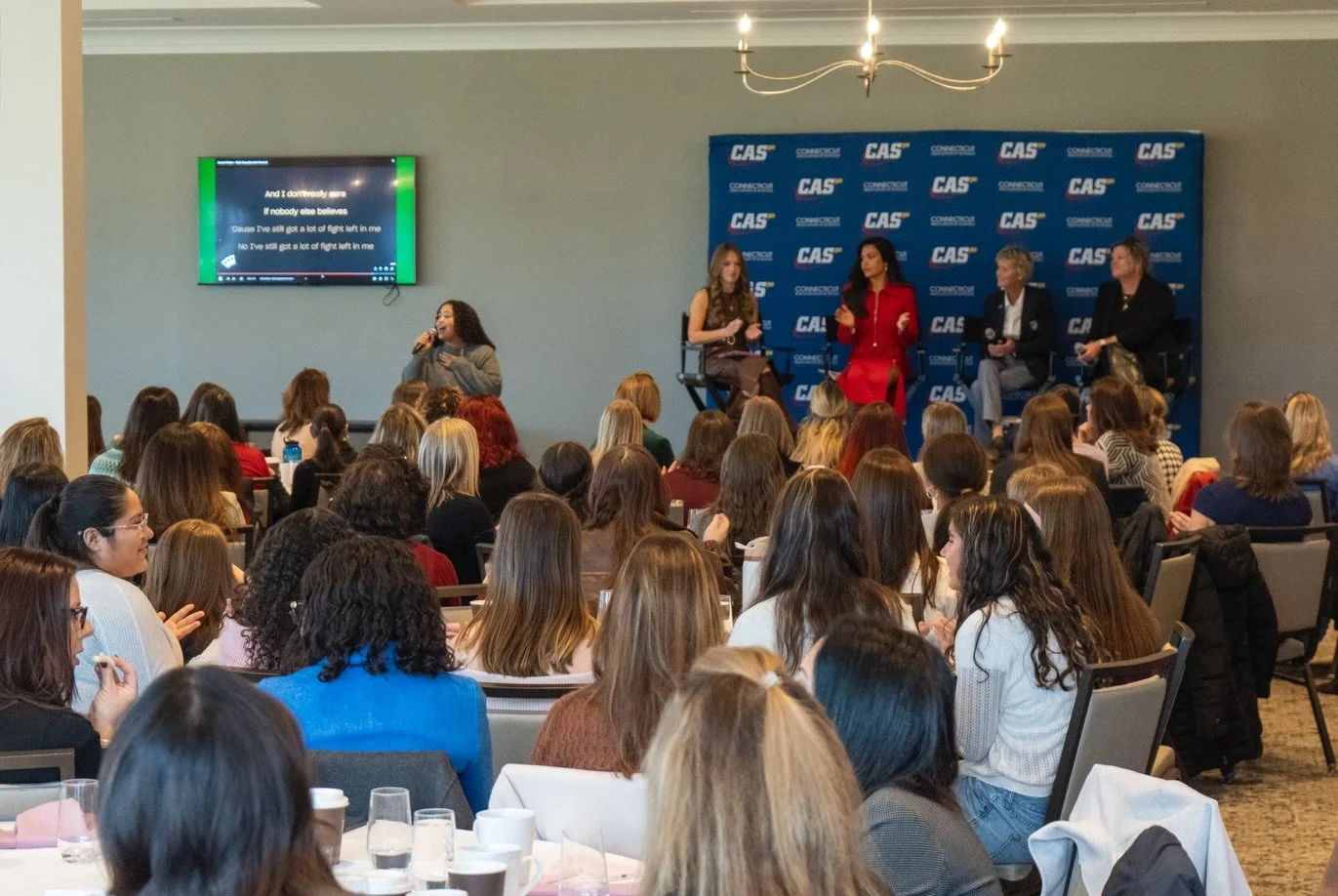
My Story: Sports as the Antidote to Other People’s Narratives
Girls rarely grow up untouched by commentary. Long before they have language for identity, the world offers commentary on their bodies, their temperament, their intensity, or their place in the social landscape. I grew up tall and thick, a big girl in every sense of the phrase. People told me who they believed I was before I ever had the chance to discover who I actually was. Adults and peers alike made remarks about my size, my presence, my physicality—all of it coded with meaning I didn’t choose.
When you grow up in a body that others think they understand, you learn quickly that unsolicited opinions can feel like definitions. Girls internalize comments like these before they have the developmental capacity to separate feedback from identity. That is part of why sports matter so much.
Sports became the antidote for me. When the school day required me to tone myself down—my energy, my strength, my voice—sports invited me to turn those qualities back up. On the court or field, I could be loud, aggressive, physical, competitive, and strategic. I could take up space. I could move my body without apology. I could express traits that felt “too much” elsewhere. In sports, nothing about me was too big. Everything about me made sense.
That experience shaped my understanding of why sports matter for girls. Sports are one of the few environments where a girl can discover the parts of herself that the world might otherwise ask her to shrink. Sports give girls a space to rewrite the narrative about who they are. They teach girls that their power is not a liability but an asset. They teach girls that they can grow into their intensity, not hide from it. They teach girls to trust themselves—physically, emotionally, and socially.
My story is not unique. Girls across generations have experienced the disconnect between who they are internally and who they believe they are supposed to be externally. Sports close that gap. They offer girls a space where their real selves show up first and the world’s interpretations show up second.
This guide holds that truth at the center.
The GRL Philosophy for Choosing a Sport
Before you choose a sport, you have to ask a simple but often overlooked question: What is the goal? Families often feel pressure to make the “right” choice early, to identify hidden talent, or to get onto a pathway that leads to achievement. But the real question—the one that matters most—is this:
What is the ultimate goal for your daughter?
Do you want a high-performing child, or a healthy, happy one?
When you start with that clarity, everything else becomes easier.
Choosing a sport is not about predicting excellence. It is about helping a girl find an environment where she can shine, where she can be pushed without being overwhelmed, where she can develop skills she will carry for life, and where she feels emotionally safe enough to grow.
A good sport fit is one where a girl:
• feels welcomed and included
• is challenged but not flooded
• feels seen by adults
• has opportunities to connect with teammates
• enjoys the process most days
• can fail safely
• can succeed authentically
• can see herself belonging long-term
A good sport choice is about identity alignment, not external validation.
The GRL philosophy centers three core questions for choosing a sport:
Who is your daughter becoming, and where will that identity flourish?
Which environments support her emotional and social development?
What forms of movement could she meaningfully carry into adulthood?
Sports are not meant to be lifetime assignments. They are meant to be opportunities to try on different versions of oneself. A girl might start in soccer because all her friends play, shift into swimming because she likes the quiet focus, then move to track because she discovers she loves individual goals. This is healthy. This is normal. And this is identity development in practice.
Parents often think they need to find the sport their daughter will be “good” at. But what girls need is the opportunity to explore their strengths, interests, and values through different roles, teams, and movement patterns. They need environments that support not just their athletic development but their humanity.
When parents ask, “Where should she play?” my answer is always the same: Start with the goal of raising a healthy, well-adjusted human being. Then choose the sport that aligns with that goal.
Sports as an Identity Lab
Identity is not formed in stillness. It is formed in motion.
Sports provide girls with repeated opportunities to observe themselves in dynamic contexts—competition, conflict, teamwork, leadership, feedback, and resilience. These contexts become identity experiments. Girls learn:
• how they react when frustrated
• whether they prefer leading from the front or supporting from the side
• whether they process mistakes quickly or slowly
• whether they thrive under pressure or prefer consistency
• what emotions motivate them
• how they build relationships
• what their voice sounds like when it’s confident
• where their edges are
These observations become the blueprint for self-knowledge.
In school, girls often learn identity through comparison. In sports, they learn identity through experience. They learn to trust their instincts, listen to their bodies, navigate their emotions, and calibrate their social interactions. Sports show girls who they are becoming, long before the world tries to tell them who they should be.
For girls who feel socially uncertain, sport is often the environment where they find clarity. For girls who feel academically pressured, sport is the place where they find relief. For girls who feel disconnected, sport is the place where they find belonging. For girls who feel misunderstood, sport is the place where they find themselves.
This identity lab is the single greatest gift sports offer. And it is accessible to every girl, regardless of skill level or experience.
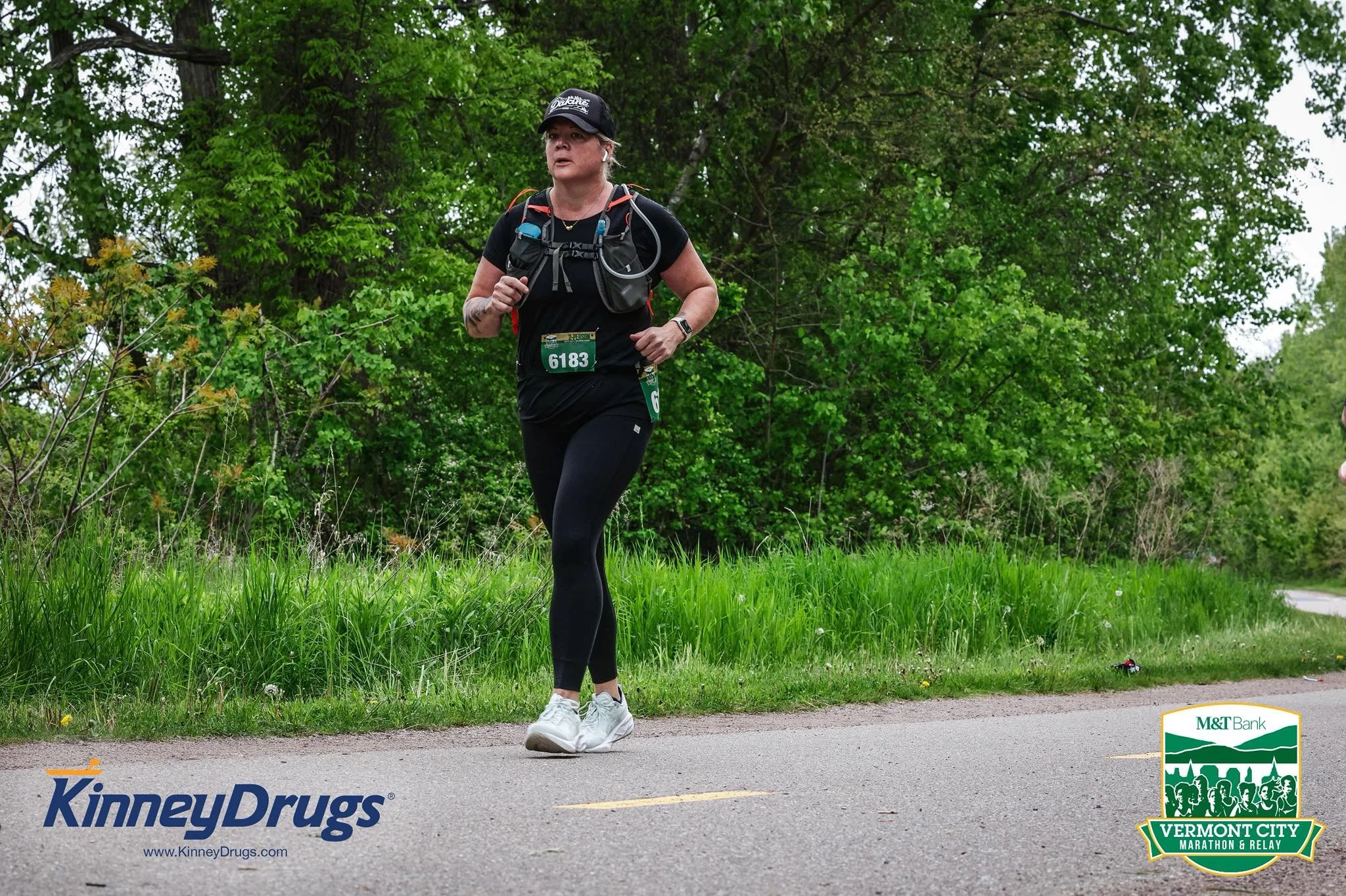
Personality Pathways: Matching Girls to the Right Sport
Girls are not blank slates. They arrive to sports with different temperaments, energy levels, sensitivities, curiosities, and ways of relating to the world. When we match girls to sports based on personality—not pressure, not convenience, not comparison—we increase the likelihood that they experience joy, growth, and belonging.
These pathways are not prescriptions. They are invitations. A girl can find herself in more than one category or move between them across seasons. The goal is not to place her into a box but to help her recognize her strengths and preferences so she can make informed choices.
1. The Powerhouse Athlete
This girl carries intensity—emotionally, physically, or energetically. She thrives in fast environments and loves movement with a sense of purpose.
She typically enjoys sports such as soccer, basketball, lacrosse, volleyball, softball, sprinting, or field hockey. What matters for her is the full-body engagement and the kinetic release. She needs coaches who see intensity as a strength rather than something to manage.
Powerhouse athletes build confidence when they are given opportunities to lead, express energy, and feel the thrill of momentum. They need spaces where big emotions and big movement are embraced, not softened.
2. The Creative and Strategic Athlete
This girl is a thinker. She reads situations before she enters them. She likes patterns, problem-solving, and the intellectual side of sport.
She gravitates toward tennis, softball (especially pitching and catching), ultimate frisbee, volleyball (especially setting), dance, or sports requiring spatial awareness.
She thrives when coaches explain the “why” behind the “how,” and when there is room for innovation. She needs an environment where her thoughtfulness is a strength, not a delay.
3. The Independent Competitor
This girl is self-motivated, focused, and prefers working on individualized goals. She may be introverted, or she may simply find her confidence in personal growth rather than group dynamics.
She often loves swimming, gymnastics, track and field (distance running, pole vault, jumping, or throwing), martial arts, or cross-country.
She thrives with predictable routines, patient instruction, and environments where she can set her own pace. She needs a sport that allows her autonomy while still offering social connection.
4. The Social Connector
For this girl, the team is the point. She is relational, empathetic, and motivated by shared goals, friendships, and group dynamics.
She might love soccer, cheer, dance teams, volleyball, basketball, softball, or community-based recreational leagues. She does not need to be the best player to thrive—she needs a healthy team culture.
The social connector needs an environment where inclusion is intentional, relationships matter, and she can experience the joy of group belonging.
5. The Precision and Focus Athlete
This girl finds satisfaction in detail, technique, and mastery. She may prefer quieter practices, one-on-one feedback, and environments that reward consistency.
She often gravitates toward swimming, diving, gymnastics, tennis, archery, dance, or sports that require technical control.
She thrives under coaches who break down skills, value repetition, and understand her desire for structure. She needs an environment where focus is seen as a superpower.
When You Love Sports But Don’t Want to Play: Roles Beyond the Athlete
Not every girl wants to play sports—and that does not exclude her from belonging in the sports world. Sports are ecosystems. For every player on the field, there are dozens of roles behind the scenes that create community, leadership, purpose, and belonging.
Some girls love sports but do not love competition. Others love sports but experience anxiety, late entry, physical limitations, injury recovery, or simply a mismatch in preference. All of these girls still deserve access to the identity-building power of sport.
Here are meaningful, identity-rich roles for girls who love sports but do not want to play:
1. Team Manager
This is often misunderstood as clerical. It is not. Team managers are leaders. They organize equipment, communication, hydration, warm-up logistics, and team culture. They become central connectors for coaches and players.
2. Team Photographer or Videographer
Girls who love creativity, media, or storytelling thrive here. They help capture history, celebrate teammates, and contribute to community-building.
3. Analytics or Stats Leader
For girls who love math, details, strategy, or data, this role provides a powerful way to contribute. Many collegiate programs highly value girls who enter with this experience.
4. Bench Leader or Culture Leader
Girls who are relational and observant often bring emotional stability and positive energy to the sideline. This is real leadership, especially when teams face adversity.
5. Student-Athletic Trainer or Assistant Trainer
For girls interested in health sciences, anatomy, or sports medicine, these roles offer hands-on learning and service.
6. Communications or Social Media Lead
Girls with strengths in storytelling, design, or digital communication can help build team identity and highlight athletes.
7. Equipment or Logistics Captain
Some girls love organization, preparation, and behind-the-scenes work. These roles are essential to team functioning.
8. Program Ambassador
Girls who are inclusive, empathetic, or socially attuned can welcome younger athletes, help integrate new players, and model team values.
Each of these roles teaches responsibility, communication, leadership, and belonging. Girls do not need to be athletes to benefit from the power of sports culture.
Red Flags and Green Flags in a Sport Environment
Choosing a sport is only half the process. The environment matters just as much as the activity itself. A girl can be in the “right” sport but in the wrong environment—and that mismatch can create stress, anxiety, or harm.
Families often ask how to identify a healthy program. Here is a clear, research-aligned guide.
More GRL Pep Talks about finding the right programs
Green Flags (Signs of a Healthy, Supportive Sport Environment)
1. Coaches greet players warmly.
Small behaviors signal big values. Warmth is an indicator of psychological safety.
2. New players are integrated quickly.
No girl should feel like an outsider in her own sport.
3. Girls look relaxed and happy at practice.
You can tell more from body language than box scores.
4. Mistakes are treated as learning opportunities.
A growth mindset environment supports confidence and resilience.
5. Coaches are emotionally regulated.
Girls need stable adult models who can support—not escalate—their nervous systems.
6. Playing time is communicated honestly.
Transparency is respect.
7. Diversity is present and welcomed.
Girls of color, LGBTQ+ girls, disabled girls, and girls with different body types feel included.
8. Parents model respect.
The sidelines reflect the culture.
9. Girls support one another.
A team is only as strong as its relationships.
10. The girl leaves practice feeling more like herself—not less.
Belonging is the core measure.
Red Flags (Signs the Environment May Be Unhealthy or Unsafe)
1. Coaches use shame or fear-based strategies.
This is not toughness; it is harm.
2. High-athleticism girls are elevated while others are ignored.
Every girl deserves development.
3. Negative body talk is common or unchallenged.
Girls are vulnerable to internalizing harmful messages.
4. Parents create pressure, comparison, or anxiety.
Girls feel this more deeply than adults realize.
5. Cliques dominate the team culture.
Connection becomes conditional.
6. Practices produce dread instead of nerves.
There is a difference between discomfort and distress.
7. Coaches dismiss or minimize emotional safety concerns.
Girls deserve environments where their wellbeing matters.
8. Equity issues are evident.
Facilities, schedules, opportunities, or coaching quality differ dramatically within the same program or between boys’ and girls’ programs.
9. The girl consistently leaves practice feeling smaller.
Sports should expand a girl’s identity, not collapse it.
10. Your daughter tells you directly, “This doesn’t feel like me.”
When girls articulate this, they are naming an identity mismatch.


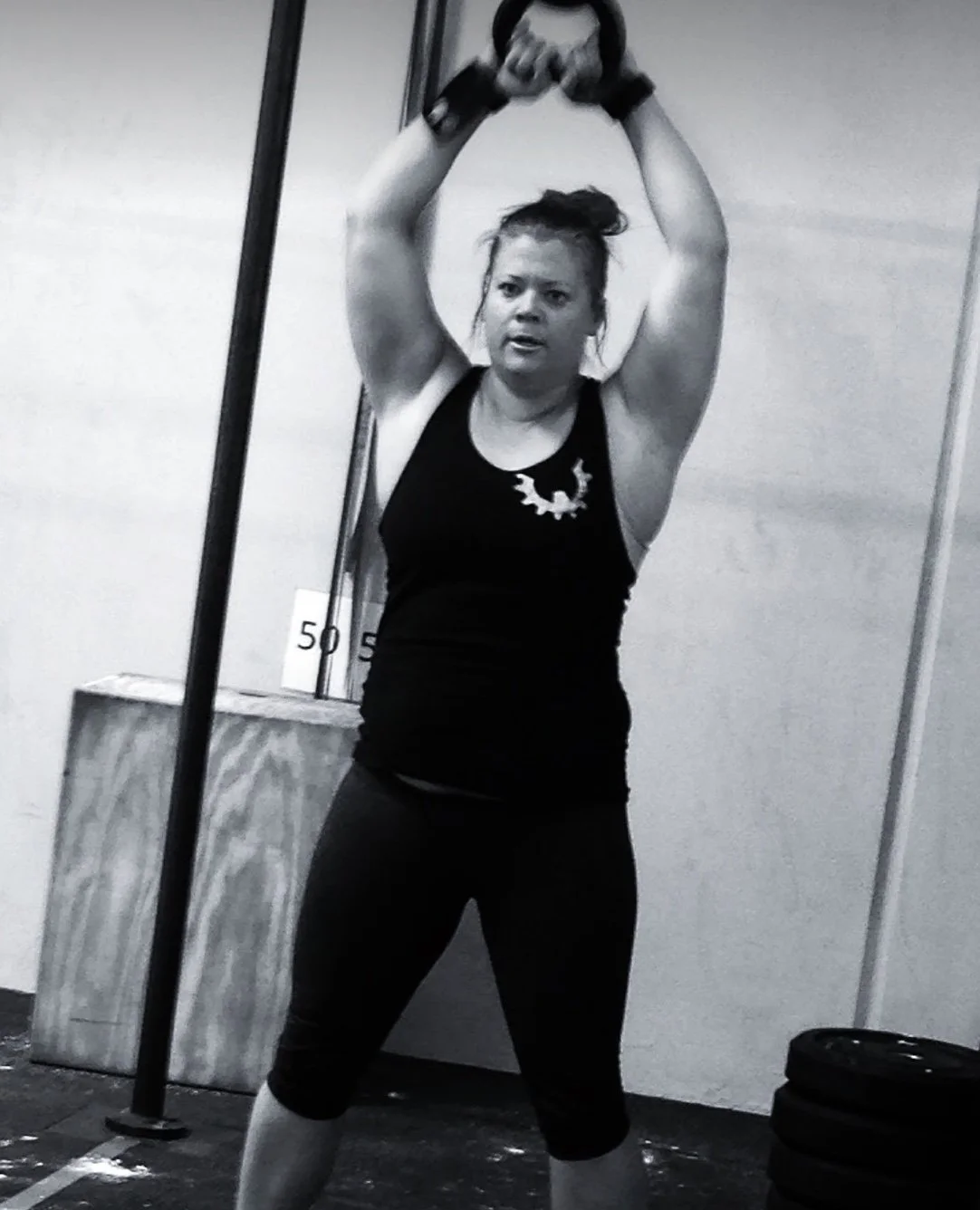
When to Switch Sports
Switching sports is often viewed as quitting, but in reality, it is a normal and healthy part of athletic identity. Girls grow, change, and learn more about themselves every season. Their confidence shifts, their interests evolve, and their social world reshapes itself. Staying in the wrong sport can damage confidence; switching to the right one can rebuild it.
Families often struggle to determine whether a girl is simply facing a hard moment or whether she is in the wrong environment altogether. The difference matters.
The Discomfort Curve
Every sport contains a threshold of discomfort. It is normal for girls to experience frustration, fatigue, or nervousness. These signals often mark growth edges.
But there is a distinction between discomfort and distress.
Discomfort looks like:
• nervousness on new skills
• worry before a big game
• frustration after a mistake
• needing reassurance
• adapting to higher competition
• learning to manage pressure
These are developmentally appropriate and often temporary.
Distress looks like:
• chronic dread before practices
• persistent anxiety or crying
• stomachaches or headaches related to sport
• emotional shutdown
• feeling unsafe
• significant withdrawal from teammates
• identity collapse (“I’m terrible at everything.”)
Distress is not a sign that the girl lacks toughness. It is a sign the environment is misaligned.
Reasons to Stay
A girl may decide to stay in a sport when:
• the environment is healthy
• she feels supported by at least one adult
• she enjoys the team even when the sport is challenging
• she is still curious about improving
• she talks more about frustration than fear
• she sees herself belonging in the future
Staying can build resilience when the environment provides safety.
Reasons to Leave
A girl may decide to leave a sport when:
• the culture consistently harms her confidence
• belonging feels impossible
• adults diminish her feelings or concerns
• the team elevates winning over wellbeing
• body commentary, exclusion, or cliques go unaddressed
• she expresses clear identity misalignment (“This isn’t who I am.”)
• the sport drains more than it gives, consistently
Leaving is not failure. Leaving is clarity.
The GRL “Two-Season Rule”
Girls often benefit from staying in a sport long enough to truly experience its identity and rhythm, especially if they are new. Two seasons—one to experience, one to adjust—gives them the chance to see whether the sport fits who they are becoming.
But if the environment is harmful or undermines their identity, leaving should happen immediately.
Normalizing Exploration
Girls are not choosing a career. They are choosing opportunities to learn about themselves. Middle school and early high school are ideal periods for exploring multiple sports. Identity is more influenced by variety than by early specialization.
Lifetime Movement: Sports as a Long-Term Identity
When families think about sports, they often think about the next season or the next team.
But the most powerful benefits of sports emerge across a lifetime.
Girls who experience positive early sport environments are more likely to become women who:
• engage in regular physical activity
• seek community through movement
• understand their bodies’ signals
• recognize the connection between movement and mental health
• value strength over appearance
• choose movement as self-care
• maintain friendships anchored in shared activity
• model healthy behavior for future children
Lifetime movement is not about maintaining competitive sport. It is about discovering forms of movement that feel accessible, joyful, and identity-aligned.
For some women, this becomes running, weightlifting, or yoga. For others, it becomes hiking, dance, cycling, tennis, or recreational leagues. The specific activity matters far less than the sense of agency and confidence that grows from early experiences in sports.
Girls need opportunities to build movement identities that outlive adolescence. When a girl finds the right sport—or the right form of movement—she builds a foundation of lifelong wellness.
Big-Sister Advice from a Millennial Mom Friend
Girls do not need the perfect sport.
They need opportunities to see themselves clearly. They need environments where their intensity, creativity, focus, humor, and leadership can unfold without being diminished. They need adults who understand that sports are not about performance; they are about identity.
If you are guiding a girl in choosing a sport, remember:
• Start with who she is becoming, not who the world thinks she should be.
• Choose environments where she feels emotionally safe.
• Look for belonging as fiercely as you look for skill development.
• Pay attention to how she talks about herself after practice.
• Believe her when she says something does not feel right.
• Normalize trying new sports, leaving misaligned ones, and exploring possibilities.
• Value the identity she is building more than the games she is playing.
Sports are not the end goal. Girls are. Their confidence, their wellbeing, their sense of belonging, and their ability to grow into themselves—those are the outcomes that matter.
A girl is not trying to become an athlete. She is trying to become herself.
Sports simply give her the space to try.
Notes
Aspen Institute, “Project Play: Reimagining Youth Sports,” 2023.
Women’s Sports Foundation, “Chasing Equity: The Triumphs, Challenges, and Opportunities in Sports for Girls and Women,” 2020.
Centers for Disease Control and Prevention (CDC), “Youth Risk Behavior Surveillance System,” 2023.
NCAA, “GOALS Study on the Student-Athlete Experience,” 2021.
Pew Research Center, “Teens, Social Media, and Technology,” 2022.
National Federation of State High School Associations (NFHS), “The Case for High School Activities,” 2019.
American Psychological Association, “The Impact of Exercise on Mental Health in Adolescents,” 2022.
National Alliance for Youth Sports, “Emotional Safety in Coaching,” 2022.
Women’s Sports Foundation, “The Teen Sports Dropout Crisis in Girls,” 2021.
United States Olympic & Paralympic Committee, “The Developmental Model for Sport Participation,” 2020.