

GRL Pep Talks: Real Conversations for Real Growth
Your go-to space for leadership, confidence, identity, team culture, and the everyday challenges young women and student-athletes navigate.
GRL Pep Talks is where honest conversations meet practical support. Whether you’re a student-athlete, a young woman finding your voice, or someone building confidence and belonging, these Pep Talks are designed to help you grow in ways that actually fit your life.
You’ll find stories, worksheets, research-backed tools, and quiet reminders that you’re not alone in what you’re navigating. This is your space for clarity, connection, and the kind of leadership that starts from within — on and off the field.
Choose Your Pep Talk Collection:
Find the words you need for the season you’re in.
Identity & Belonging
For the moments you’re figuring out who you are, where you fit, and how to grow into yourself — without shrinking to belong.
Mental Health & Burnout
For when life feels heavy, loud, overwhelming, or exhausting — and you need permission to be human, not perfect.
Girls in Sports & Equity
For athletes, advocates, and leaders working to build better systems, stronger pathways, and real access for girls.
Motherhood & Real-Life Leadership
For the women leading teams, families, careers, and chaos — learning that leadership is lived, not just performed.
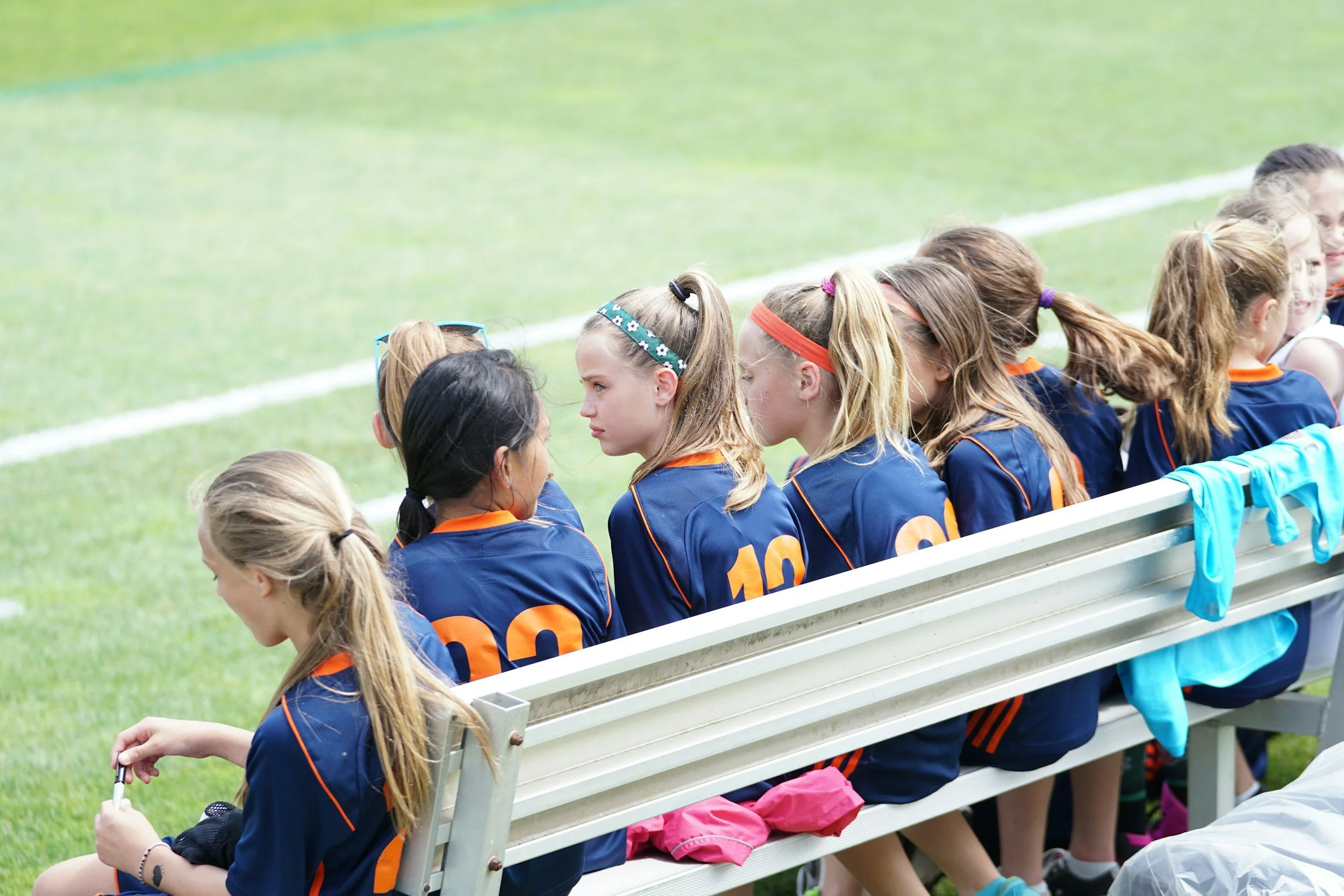
The “Take Our Ball and Go Home” Mindset in Youth Sports: How Parent Conflict, Sideline Behavior, and Adult Pressure Are Driving Coaches and Officials Away — and What Leadership Must Do Instead
Remember when we were kids and said, “I’m taking my ball and going home”? It felt powerful. It felt like justice. But it also ended the game for everyone else.
Today, that childhood protest has evolved into something far more damaging in youth sports. When adults feel frustrated, unheard, or protective of their child, the response can escalate beyond advocacy into destruction — public criticism, sideline hostility, attacks on coaches and officials, and attempts to dismantle programs altogether.
The cost is real. Nearly half of youth coaches report experiencing verbal harassment, much of it from parents. Officials are leaving in record numbers, with many quitting within their first two years due to abusive environments. And kids are walking away from sports earlier than ever because the joy has disappeared.
If we want youth sports to survive as healthy third spaces for belonging, growth, and leadership, we must change how we show up — especially as parents, coaches, and school leaders.

When Parenting Becomes Chronic Stress (And You Didn’t Even Know the Name for It)
I didn’t realize there was a name for what we were living inside. Supporting a neurodivergent freshman through ADHD, trauma, and adolescence had slowly shifted our home into a state of chronic stress — the kind that reshapes your nervous system, your relationships, and your sense of self as a caregiver. This isn’t just parenting exhaustion; it’s the quiet, relentless weight many families carry while still showing up with love, resilience, and hope.

When You Swear You’ll Never Make a “Potty Chart” Again — and Then You Do Anyway
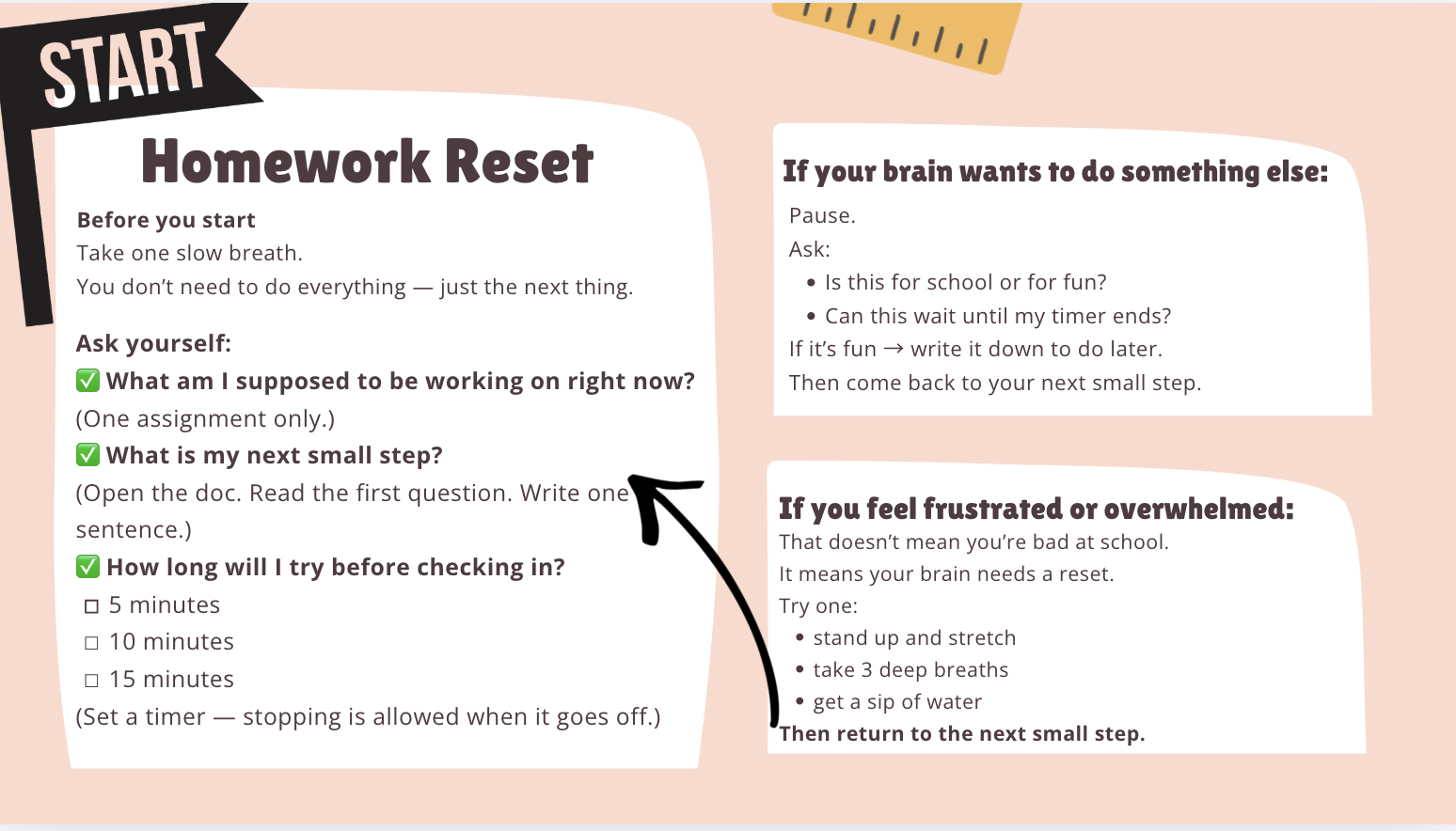
We swore we’d never make another chart — especially not for a fourteen-year-old. But when parenting started to feel like Groundhog Day, we realized our child didn’t need more consequences. He needed structure designed for an ADHD brain. This is how we built a system that transferred ownership, reduced daily conflict, and helped our family reset without shame.
The Parenting No One Talks About: Helping a Neurodivergent Teen Through a Spiral
Parenting a neurodivergent teen can feel like starting over every single day — sometimes every hour. When impulsive decisions pile up and your child seems unaware of how their behavior affects others, the mental load on caregivers becomes overwhelming. This GRL Initiative pep talk offers a compassionate, research-informed reminder that spirals aren’t failures — they’re moments that require support, structure, and grace for both the child and the adult walking beside them.

Parenting the Child You Can’t Figure Out (Even When You’re Supposed to Know Better)
Some days it feels impossible to be both the parent holding everything together at home and the leader expected to show up confidently at work. When parenting feels heavy, self-doubt can spill into every part of life — even the places that once brought joy. This honest reflection explores what happens when our inner critic takes over, and how small shifts in self-talk, grace, and persistence help us keep moving forward — even when we’re exhausted.

When the World Hurts and You Still Have to Pack Lunches: How to handle a national tragedy as a parent.
When the news is overwhelming, parenting can feel especially complicated. This post explores what it looks like to care for children while processing difficult events, offering practical strategies for staying grounded, talking to kids in age-appropriate ways, and managing emotional overload. A realistic guide for parents navigating hard days without pretending everything is fine.

It’s My Birthday — And Here’s the Truth About Why This One Feels Different
This birthday feels different. At 42, I’ve spent a year doing the hard internal work — exploring my identity, redefining connections, setting boundaries, and beginning the long journey toward true belonging. I’m not there yet, but I’m growing, stretching, and becoming in ways I’m finally proud of.

How to Help Choose a Youth Program Based on Your Daughter’s Personality Type
Your daughter doesn’t need to fit into a sport — the sport should fit her. Here’s how to choose a youth program based on personality, pressure, preferences, and joy.

The Hardest Summer: Navigating Life with a 14-Year-Old
I know child development theory, I was a high school principal. But knowing why your 14-year-old acts like a different species every morning doesn't make living with them easier. This summer has been brutal: constant emotional regulation, being the "dumbest person alive" who apparently knows nothing about high school athletics (despite it being my job), and absorbing all the frustrations of a kid shedding their identity. My therapist reminded me this might be the one thing that isn't easy for me. The mom guilt is real when you know the science but still lose your patience. Sometimes admitting it sucks is the first step forward.